
Your cart is empty.
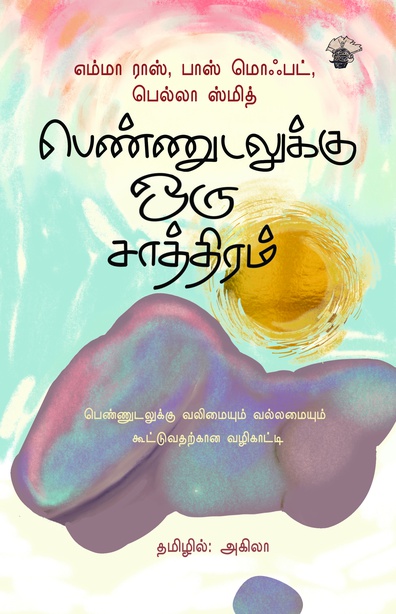
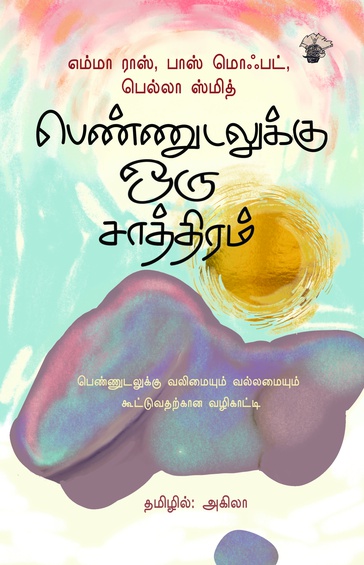
பெண்ணுடலுக்கு ஒரு சாத்திரம்
-உடற்பயிற்சி, விளையாட்டு ஆகியவற்றில் ஒரு பெண்ணுக்கு இருக்கும்
மிகப்பெரிய தடையாகப் பல சமயம் அவளது உடலே அமைந்துவிடுகிறது. மாதவிடாய்க்
காலம், கர்ப்பகாலம், மாதவிடாய் நிற்கும் காலம் எனப் … மேலும்
மொழிபெயர்ப்பாளர்: அகிலா |
வகைமைகள்: புதிய வெளியீடுகள் |
-உடற்பயிற்சி, விளையாட்டு ஆகியவற்றில் ஒரு பெண்ணுக்கு இருக்கும்
மிகப்பெரிய தடையாகப் பல சமயம் அவளது உடலே அமைந்துவிடுகிறது. மாதவிடாய்க்
காலம், கர்ப்பகாலம், மாதவிடாய் நிற்கும் காலம் எனப் பல்வேறு சமயங்களில் பெண்கள்
உடல் என்னும் தடையைத் தாண்டி வர வேண்டியிருக்கிறது. எப்படித் தாண்டுவது
என்பதற்கான கையேடுதான் இந்த நூல்.
சுறுசுறுப்பாக இருக்க விரும்பும் ஒரு பெண் எதைச் சாப்பிட வேண்டும்,
பயிற்சியின்போது என்ன உடைகளை அணிய வேண்டும், திடீர் நெருக்கடிகளையும்
காயங்களையும் எப்படிச் சமாளிப்பது என்பதையெல்லாம் மிக விரிவாகவும்
நுணுக்கமாகவும் இந்த நூல் கற்பிக்கிறது.
இங்கிலாந்தின் தேசிய சுகாதாரச் சேவையில் பணிபுரியும் டாக்டர் பெல்லா ஸ்மித்,
விளையாட்டு ஆராய்ச்சி அறிவியலாளர் டாக்டர் எம்மா ராஸ், தடகளப் பயிற்சியாளர்
பாஸ் மொஃபட் ஆகியோர் தங்கள் நேரடி அனுபவங்களுடன் நவீன அறிவியலின்
முக்கியக் கூறுகளை இணைத்து எழுதியிருக்கும் இந்தப் புத்தகம் பெண்களின் வாழ்க்கை
நிலை ஒவ்வொன்றிற்கும் அவசியமான அறிவுரைகளை வழங்குகிறது.
ISBN : 9789361104152
SIZE : 14.0 X 1.0 X 21.0 cm
WEIGHT : 280.0 grams
Notes on Sources
1: Mind the Gaps
1. Tejas Kotecha, ‘Kathrine Switzer: First woman to officially run Boston Marathon on the iconic moment she was attacked by the race organizer’, Sky Sports, https://www.skysports.com/more-sports/athletics/news/29175/12475824/kathrine-switzer-first-woman-to-officially-run-boston-marathon-on-the-iconic-moment-she-was-attacked-by-the-race-organiser
2. Kathrine Switzer, Marathon Woman (Carroll & Graf, 2007).
3. Emma S. Cowley, Alyssa A. Olenick, Kelly L. McNulty et al., ‘ “Invisible sportswomen”: the sex data gap in sport and exercise science research’, Women in Sport and Physical Activity Journal, 29: 2 (2021), pp. 14651: https://journals.humankinetics.com/view/journals/wspaj/29/2/article-p146.xml
4. Min Zhao, Sreenivas P. Veeranki, Costan G. Magnussen et al., ‘Recommended physical activity and all cause and cause specific mortality in US adults: prospective cohort study’, BMJ: https:/ / www.bmj.com/content/370/bmj.m2031
5. Stephen W. Farrell, Shannon J. Fitzgerald, Paul A. McAuley et al., ‘Cardiorespiratory fitness, adiposity, and all-cause mortality in women’, Medicine and Science in Sports and Exercise, 42: 11 (2010), pp. 2006-12: doi: 10.1249/MSS.0b013e3181df12bf. PMID: 20351588
6. James Clear, Atomic Habits (Random House Business, 2018), p. 27.
7. ‘Better for Women’, Royal College of Obstetricians and Gynaecologists, December 2019: https://www.rcog.org.uk/media/h3smwohw/better- for-women-full-report.pdf
8. Leanne Norman and Jamie French, ‘Understanding how high performance women athletes experience the coach-athlete relationship’, International Journal of Coaching Science, 7:1 (2013), pp.3-24: https://www.semanticscholar.org/paper/Understanding-how-High-Performance-Women-Athletes-Norman- French/12ad213a4973efae47b72e4324401a4ade95cbf5
9. Joseph T. Costello, François Bieuzen and Chris M. Bleakley, ‘Where are all the female participants in sports and exercise medicine science research?, European Journal of Sport Science, 14: 8 (2014), pp. 847-51: https://www.tandfonline.com/doi/abs/10.1080/17461391.2014.911354
10. Emma S. Cowley et al., ‘Invisible Sportswomen’.
11. Caroline Criado Perez, Invisible Women: Exposing Data Bias in a World Designed for Men (Chatto & Windus, 2019), p. 204.
12. Kelly Lee McNulty, Kirsty Jane Elliot-Sale, Eimear Dolan et al., ‘The effects of menstrual cycle phase on exercise performance in eumenorrheic women: a systematic review and meta-analysis’, Sports Medicine, 50:10 (2020), pp. 1813-27: https://pubmed.ncbi.nlm.nih.gov/32661839/
13. Eunsook Sung, Ahreum Han, Tino Hinrichs et al., ‘Effects of follicular versus luteal phase-based strength training in young women’, SpringerPlus, 3 (2014), p. 668: https://www.ncbi.nlm.nih.gov/pmc/articles/PMC4236309/
14. Lawrence W. Green, Judith M. Ottoson, César García et al., ‘Diffusion theory and knowledge dissemination, utilization, and integration in public health’, Annual Review of Public Health, 30 (2009), pp. 151-74: https://pubmed.ncbi.nlm.nih.gov/19705558/
15. Marsa Daniel and Sam Moore, ‘Why isn't women's-specific training more widespread within sport? Bridging the gap between research and applied practice’, presentation at the Female Athlete Conference, Boston Children's Hospital, 10 June 2021.
2: Health and Fitness Through a Female Filter
1. Conor Stewart, ‘Contraceptive use among women in England 2019/20’, Statista, September 2021: https://www.statista.com/statistics/573210/contraceptive-use-among-women-by-type-and-age-in-england/
2. Jenny Burbage, Michelle Norris, Brogan Horler et al., ‘Breast health and the exercising female’ in Jacky Forsyth and Claire-Marie Roberts, eds., The Exercising Female: Science and its Application (Routledge, 2019).
3. Atefch Omrani, Joanna Wakefield-Scurr, Jenny Smith et al., ‘Breast education improves adolescent girls’ breast knowledge, attitudes to breasts and engagement with positive breast habits, Frontiers in Public Health, 8: 591927 (2020): https://www.frontiersin.org/article/10.3389/fpubh.2020.591927
4. Celeste E. Coltman, Julie R. Steele and Deirdre E. McGhee, ‘Does breast size affect how women participate in physical activity?’, Journal of Science and Medicine in Sport, 22:3 (2019), pp. 324-9: https://www.jsams.org/article/S1440-2440(18)30875-2/fulltext
5. Joanne L. Parsons, Stephanie E. Coen and Sheree Bekker, ‘Anterior cruciate ligament injury: towards a gendered environmental approach’, British Journal of Sports Medicine, 55 (2021), pp. 984-90: https://bjsm.bmj.com/content/55/17/984
6. Jennifer Moriatis Wolf, Lisa K. Cannada, Ann Van Heest et al., ‘Male and female differences in musculoskeletal disease’, Journal of the American Academy of Orthopaedic Surgeons, 23: 6 (2015), pp. 339-47: https://www.researchgate.net/publication/277079715_Male_and_Female_Differences_in_Musculoskeletal_Disease
7. Kay M. Crossley, Brooke E. Patterson, Adam G. Culvenor et al., ‘Making football safer for women: a systematic review and meta- analysis of injury prevention programmes in 11 773 female football (soccer) players’, British Journal of Sports Medicine, 54 (2020), pp. 1089-98: https://bjsm.bmj.com/content/54/18/1089
8. Throughout this book, when we refer to inflammation, we mean systemic, or full body inflammation. Your immune system is activated when your body recognizes anything that is foreign - such as an invading microbe or plant pollen. This often triggers a process called inflammation. Intermittent bouts of inflammation directed at truly threatening invaders are important to protect your health. However, sometimes inflammation persists even when you are not threatened by a foreign invader. That's when inflammation can become detrimental to our health. Many major diseases that plague us including cancer, heart disease, diabetes, arthritis, depression and Alzheimer's have been linked to chronic inflammation, and menstrual cycle and perimenopausal symptoms have been shown to be made worse in the presence of inflammation.
9. Lara Briden, Hormone Repair Manual: Every Woman's Guide to Healthy Hormones (CreateSpace Independent Publishing Platform, 2017), p. 198.
3: Mastering Your Menstrual Cycle
1. ‘Better for Women’, Royal College of Obstetricians and Gynaecologists, December 2019: https://www.rcog.org.uk/better-for-women
2. ‘Exercise to feel better during your period, new global study shows’, Strava Press, 25 March 2019: https://blog.strava.com/press/exercise-to-feel-better-during-your-period-new-global-study-shows/
3. Anna Druet and Lisa Kennelly, ‘Is period slang ever useful?’, Clue, 20 September 2017: https://helloclue.com/articles/culture/is-period-slang-ever-useful
4. Eamonn Flanagan, ‘The gameday primer: principles and practices’, Blk Box, 19 September 2019: https://www.blkboxfitness.com/blogs/education/the-gameday-primer-principles-and-practices
5. American College of Obstetricians and Gynecologists, ‘Menstruation in girls and adolescents: using the menstrual cycle as a vital sign’, Committee Opinion, 651 (2015): https://www.acog.org/clinical/clinical-guidance/committee-opinion/articles/2015/12/menstruation-in-girls-and-adolescents-using-the-menstrual-cycle-as-a-vital-sign
6. Nathan Brott and Jacqueline Le, ‘Mittelschmerz’, Stat Pearls, 8 May 2022: https://www.ncbi.nlm.nih.gov/books/NBK549822/
7. Mayo Clinic staff, ‘Menorrhagia (heavy menstrual bleeding), Mayo Clinic: https://www.mayoclinic.org/diseases-conditions/menorrhagia/symptoms-causes/syc-20352829
8. Such as those from period-product company Dame (https://wearedame.co/pages/impact-reports).
9. Two period swimwear brands currently on the market can be found at www.modibodi.com and www.rubylove.com
10. Such as those at https://fablittlebag.com
11. ‘Period shame causing plastic pollution: 2.4m tampons flushed down the toilet every day’, PHS Group, 10 June 2022: https://www.phs.co.uk/about-phs/expertise-news/period-shame-causing-plastic-pollution
12. Lauren C. Houghton and Noémie Elhadad, ‘Practice note: “If only all women menstruated exactly two weeks ago”: interdisciplinary challenges and experiences of capturing hormonal variation across the menstrual cycle’, in Chris Bobel, Inga T. Winkler, Breanne Fahs et al., eds., The Palgrave Handbook of Critical Menstruation Studies (Palgrave Macmillan, 2020), pp. 725-32.
13. Mohaned Shilaih, Brianna M. Goodale, Lisa Falco et al., ‘Modern fertility awareness methods: wrist wearables capture the changes in temperature associated with the menstrual cycle’, Bioscience Reports, 38: 6 (2018): https://pubmed.ncbi.nlm.nih.gov/29175999/
15. Blair T. Crewther and Christian J. Cook, ‘A longitudinal analysis of salivary testosterone concentrations and competitiveness in elite and non-elite women athletes’, Physiology and Behavior, 188 (2018), pp. 157-61: https://pubmed.ncbi.nlm.nih.gov/29425972/
16. C. J. Cook, L. P. Kilduff and B. T. Crewther, ‘Basal and stress-induced salivary testosterone variation across the menstrual cycle and linkage to motivation and muscle power’, Scandinavian Journal of Medicine & Science in Sports, 28: 4 (2018), pp. 1345-53: https://pubmed.ncbi.nlm.nih.gov/29266410/
17. William C. Krause, Ruben Rodriguez, Bruno Gegenhuber et al., ‘Oestrogen engages brain MC4R signalling to drive physical activity in female mice, Nature, 599 (2021), pp. 131-5: https://www.nature.com/articles/s41586-021-04010-3
18. Thomas Buser, ‘The impact of the menstrual cycle and hormonal contraceptives on competitiveness’, Journal of Economic Behavior & Organization, 83: 1 (2012), pp. 1-10: https://www.sciencedirect.com/science/article/abs/pii/S016726811100151X
19. Esther K. Dickhof, ‘Be quick about it. Endogenous estradiol level, menstrual cycle phase and trait impulsiveness predict impulsive choice in the context of reward acquisition’, Hormones and Behavior, 74 (2015), pp. 186-93: https://www.sciencedirect.com/science/article/abs/pii/S0018506X1500104X
20. Hadine Joffe, Anouk de Wit, Jamie Coborn et al., ‘Impact of estradiol variability and progesterone on mood in perimenopausal women with depressive symptoms, Journal of Clinical Endocrinology and Metabolism, 105: 4 (2020), e642-50: https://pubmed.ncbi.nlm.nih.gov/31693131/
21. Katy Vincent, Charlotte J. Stagg, Catherine E. Warnaby et al., ‘ “Luteal analgesia”: progesterone dissociates pain intensity and unpleasantness by influencing emotion regulation networks’, Frontiers in Endocrinology, 9: 413 (2018): https://www.readcube.com/articles/10.3389/fendo.2018.00413
22. Haneul Lee, Jerrold Petrofsky, Nirali Shah et al., ‘Higher sweating rate and skin blood flow during the luteal phase of the menstrual cycle’, Tohoku Journal of Experimental Medicine, 234: 2 (2014), pp. 11-22: https://pubmed.ncbi.nlm.nih.gov/25230913/
23. Heidi Danker-Hopfe, Kirsten Roczen and Ute Löwenstein- Wagner, ‘Regulation of food intake during the menstrual cycle’, Anthropologischer Anzeiger, 53: 3 (1995), pp. 231-8: https://www.jstor.org/stable/29540529
24. ‘Preventative powers of ovulation and progesterone’, Centre for Menstrual Cycle and Ovulation Research (October 2014): https://www.cemcor.ubc.ca/resources/preventive-powers-ovulation-and-progesterone
25. Georgie Bruinvels, Esther Goldsmith, Richard Blagrove et al., ‘Prevalence and frequency of menstrual cycle symptoms are associated with availability to train and compete: a study of 6812 exercising women recruited using the Strava exercise app’, British Journal of Sports Medicine, 55: 8 (2021), pp. 438-44: https://bjsm.bmj.com/content/55/8/438
26. Alice McNamara, Rachel Harris and Clare Minahan, ‘Menstrual cycle change during Covid-19. Sharing some early results’, British Journal of Sports Medicine blog, 20 November 2020: https://blogs.bmj.com/bjsm/2020/11/20/menstrual-cycle-change-during-covid-19/
27. Yi-Xin Wang, Mariel Arvizu, Janet W. Rich-Edwards et al., ‘Menstrual cycle regularity and length across the reproductive lifespan and risk of premature mortality: prospective cohort study’, BMJ, 371: 3464 (2020): https://www.bmj.com/content/371/bmj.m3464
28. Jane Marjoribanks, Michelle Proctor, Cindy Farquhar et al.,
‘Nonsteroidal anti-inflammatory drugs for dysmenorrhoea, Cochrane Database of Systematic Reviews, 1 (2010), CD001751: https://pubmed.ncbi.nlm.nih.gov/20091521/
29. ‘Heavy periods’, NHS: https://www.nhs.uk/conditions/heavy-periods/treatment/
30. Sang-Dol Kim, Yoga for menstrual pain in primary dysmenorrhea: a meta-analysis of randomized controlled trials’, Complementary Therapies in Clinical Practice, 36 (2019), pp. 94-9: https://www.sciencedirect.com/science/article/abs/pii/S1744388119300945?via%3Dihub
31. Tong Liu, Jia-Ni Yu, Bing-Yan Cao et al., ‘Acupuncture for primary dysmenorrhea: a meta-analysis of randomized controlled trials’, Alternative Therapies, 26: 2 (2020), pp. 46-53: https://search.proquest.com/openview/fde7e8a7513853b114a24a65f4182146/1?pq-origsite=gscholar&cbl=32528
32. George A. Eby, ‘Zinc treatment prevents dysmenorrheal’, Medical Hypotheses, 69: 2 (2007), pp. 297-301: https://www.sciencedirect.com/science/article/abs/pii/S0306987706009066?via%3Dihub
33. Fabio Parazzini, Mirella Di Martino and Paolo Pellegrino, ‘Magnesium in the gynecological practice: a literature review’, Magnesium Research, 30: 1 (2017), pp. 1-7: https://pubmed.ncbi.nlm.nih.gov/28392498/
34. Zeev Harel, Frank M. Biro, Renee K. Kottenhahn et al.,
‘Supplementation with omega-3 polyunsaturated fatty acids in the management of dysmenorrhea in adolescents’, Americal Journal of Obstetrics & Gynecology, 174: 4 (1996), pp. 1335-8: https://www.ajog.org/article/S0002-9378(96)70681-6/fulltext
35. Lara Briden, ‘The inflammation from A1 milk is mind-boggling’, Lara Briden, 26 November 2021: https://www.larabriden.com/the-inflammation-from-a1-milk-is-mind-boggling/
36. Samira Khayat, Hamed Fanaci, Masoomeh Kheirkhah et al.,
‘Curcumin attenuates severity of premenstrual syndrome symptoms: a randomized, double-blind, placebo-controlled trial’, Complementary Therapies in Medicine, 23: 3 (2015), pp. 318-24: https://www.sciencedirect.com/science/article/abs/pii/S096522991500059X
37. Alexandre Vallée and Yves Lecarpentier, ‘Curcumin and endometriosis’, International Journal of Molecular Sciences, 21: 2440 (2020): https://www.mdpi.com/1422-0067/21/7/2440
38. Chooi L. Wong, Cindy Farquhar, Helen Roberts et al., ‘Oral contraceptive pill for primary dysmenorrhoea, Cochrane Database of Systematic Reviews, 4 (2009), CD002120: https://www.ncbi.nlm.nih.gov/pmc/articles/PMC7154221/#CD002120-bbs2-0031
39. ‘PMS (premenstrual syndrome)’, NHS: https://www.nhs.uk/conditions/pre-menstrual-syndrome/
40. Kimberley Ann Yonkers, Shaughn O'Brien and Elias Eriksson, ‘Premenstrual syndrome’, Lancet, 371: 9619 (2008), pp. 1200-10: https://www.ncbi.nlm.nih.gov/pmc/articles/PMC3118460/
41. ‘Definitions PMS/PMDD’, National Association for Premenstrual Syndromes: https://www.pms.org.uk/about-pms/definitions-pms-pmdd/
42. ‘About PMS: What is PMS?’, National Association for Premenstrual Syndromes: https://www.pms.org.uk/about-pms/
43. John F. Steege and James A. Blumenthal, ‘The effects of aerobic exercise on premenstrual symptoms in middle-aged women: a preliminary study’, Journal of Psychosomatic Research, 37: 2 (1993), pp. 127-33: https://www.sciencedirect.com/science/article/abs/ pii/002239999390079U; Zeinab Samadi, Farzaneh Taghian and Mahboubeh Valiani, ‘The effects of 8 weeks of regular aerobic exercise on the symptoms of premenstrual syndrome in non-athlete girls’, Iranian Journal of Nursing and Midwifery Research, 18: 1 (2013), pp. 14-99: https://pubmed.ncbi.nlm.nih.gov/23983722/
44. A. Steptoe and S. Cox, ‘Acute effects of aerobic exercise on mood’, Health Psychology, 7: 4 (1988), pp. 329-40: https://pubmed.ncbi.nlm.nih.gov/3168978/
45. Sonja Aalbers, Laura Fusar-Poli, Ruth E. Freeman et al., ‘Music
therapy for depression’, Cochrane Database of Systematic Reviews, 11: 11 (2017), CD004517: https://pubmed.ncbi.nlm.nih.gov/29144545/
46. Andrea Chisholm, ‘5 things women need to know about diabetes and their period’, Verywell Health, 25 July 2022: https://www.verywellhealth.com/diabetes-and-womens-menstrual-cycles-4067212
47. ‘Prostaglandins’, You and Your Hormones: https://www.yourhormones.info/hormones/prostaglandins/
48. Semra Kocaoz, Rabiye Cirpan and Arife Zuhal Degirmencioglu, ‘The prevalence and impacts [of] heavy menstrual bleeding on anemia, fatigue and quality of life in women of reproductive age’, Pakistan Journal of Medical Sciences, 35: 2 (2019), pp. 365-70: https://www.ncbi.nlm.nih.gov/pmc/articles/PMC6500811/
49. Georgie Bruinvels, Richard Burden, Nicola Brown et al., ‘The prevalence and impact of heavy menstrual bleeding (menorrhagia) in elite and non-elite athletes’, PLOS One, 11: 2 (2016), e0149881: https://journals.plos.org/plosone/article?id=10.1371/journal.pone.0149881
50. Ibid.
51. Emma Burnett, Jenny White and Joanna Wakefield-Scurr, ‘The validity and reliability of a breast pain diary for women with cyclic breast pain’, School of Sport, Health & Exercise at the University of Portsmouth at Pain Science in Motion 2015 event: https://researchportal.port.ac.uk/en/publications/the-validity-and-reliability-of-a-breast-paindiary-for-women-wit
52. D. N. Ader, J. South-Paul, T. Adera et al., ‘Cyclical mastalgia: prevalence and associated health and behavioral factors’, Journal of Psychosomatic Obstetrics and Gynecology, 22:2 (2001), pp. 71-6: https://www.tandfonline.com/doi/abs/10.3109/01674820109049956
53. Diana L. Dell, ‘Premenstrual syndrome, premenstrual dysphoric disorder, and premenstrual exacerbation of another disorder’, Clinical Obstetrics and Gynecology, 47: 3 (2004), pp. 568-75: https://journals.lww.com/clinicalobgyn/Citation/2004/09000/Premenstrual_Syndrome,_Premenstrual_Dysphoric.10.aspx
54. G. Allais, Giulia Chiarle, Silvia Sinigaglia et al., ‘Menstrual migraine: a review of current and developing pharmacotherapies for women’, Expert Opinion on Pharmacotherapy, 19: 2 (2018), pp. 123-36: https://www.tandfonline.com/doi/abs/10.1080/14656566.2017.1414182?journalCode=ieop20
55. William E. Whitehead, Lawrence J. Cheskin, Barbara R. Heller et al., ‘Evidence for exacerbation of irritable bowel syndrome during menses’, Gastroenterology, 98: 6 (1990), pp. 1485-9: https://pubmed.ncbi.nlm.nih.gov/2338190/
56. Merry Noel Miller and B. E. Miller, ‘Premenstrual exacerbations of mood disorders’, Psychopharmacology Bulletin, 35: 3 (2001), pp. 135-49: https://pubmed.ncbi.nlm.nih.gov/12397883/
57. Clár McWeeny, ‘Premenstrual magnification: mental health conditions and PMS’, Clue, 11 July 2017: https://helloclue.com/articles/cycle-a-z/mental-health-pms-what-happens-when-mental-health-conditions-coincide-with-pms
58. Sarah Young, ‘Endometriosis takes average of eight years to diagnose, new report finds’, Independent, 19 October 2020: https://www.independent.co.uk/life-style/women/endometriosis-symptoms-diagnosis-support-inquiry-b1152552.html
60. Lara Briden, ‘Treatment for 4 types of PCOS. Treat the cause’, Lara Briden, 16 May 2014: https://www.larabriden.com/treatment-for-4-types-of-pcos-treat-the-cause/
61. Kelly Lee McNulty, Kirsty Jayne Elliott-Sale, Eimear Dolan et al., ‘The effects of menstrual cycle phase on exercise performance in cumenorrheic women: a systematic review and meta-analysis’, Sports Medicine, 50 (2020), pp. 1813-27: https://pubmed.ncbi.nlm.nih.gov/32661839/
62. Sarah McKay, Demystifying the Female Brain: A Neuroscientist Explores Health, Hormones and Happiness (Orion Spring, 2018).
63. Joan M. Eckerson, ‘Energy and the nutritional needs of the exercising female’, in Jacky Forsyth and Claire-Marie Roberts, eds., The Exercising Female: Science and its Application (Routledge, 2018), pp. 44-65.
64. Tanya Oosthuyse and Andrew N. Bosch, ‘The effect of the
menstrual cycle on exercise metabolism’, Sports Medicine, 40: 3 (2010), pp. 207-27: https://link.springer.com/article/10.2165/11317090-000000000-00000
65. Melissa M. Markofski and William A. Braun, ‘Influence of menstrual cycle on indices of contraction-induced muscle damage, Journal of Strength and Conditioning Research, 28: 9 (2014), pp. 2649-56: https://journals.lww.com/nsca-jscr/Fulltext/2014/09000/Influence_of_Menstrual_Cycle_on_Indices_of_31.aspx
66. Lawrence L. Spriet and Martin J. Gibala, ‘Nutritional strategies to influence adaptations to training’, Journal of Sports Science, 22: 1 (2004), pp. 127-41: https://pubmed.ncbi.nlm.nih.gov/14971438/
67. Eunsook Sung, Ahrcum Han, Timo Hinrichs et al., ‘Effects of follicular versus luteal phase-based strength training in young women’, SpringerPlus, 3 (2014), p. 668: https://springerplus.springeropen.com/articles/10.1186/2193-1801-3-668
68. Ibid.
69. E. Reis, U. Frick and D. Schmidtbleicher, ‘Frequency variations of strength training sessions triggered by the phases of the menstrual cycle’, International Journal of Sports Medicine, 16: 8 (1995), pp. 545-50: https://www.thieme-connect.de/products/ejournals/abstract/10.1055/s-2007-973052
70. J. S. Volek, C. E. Forsyth and W. J. Kraemer, ‘Nutritional aspects of women strength athletes’, British Journal of Sports Medicine, 40: 9 (2006), pp. 742-8: https://www.ncbi.nlm.nih.gov/pmc/articles/PMC2564387/
71. Stacy T. Sims, Roar: How to Match Your Food and Fitness to Your Unique Female Physiology for Optimum Performance, Great Health, and a Strong, Lean Body for Life (Rodale, 2016).
72. Nkechinyere Chidi-Ogbolu and Keith Baar, ‘Effect of estrogen on musculoskeletal performance and injury risk’, Frontiers in Physiology, 9: 1834 (2018): https://www.frontiersin.org/articles/10.3389/fphys.2018.01834/full
73. Noriko Adachi, Koji Nawata, Michio Maeta et al., ‘Relationship of the menstrual cycle phase to anterior cruciate ligament injuries in teenaged female athletes’, Archives of Orthopaedic and Trauma Surgery, 128:5 (2008), pp. 473-8: https://link.springer.com/article/10.1007/S00402-007-0461-1
74. James Kolasinski, Emily L. Hinson, Amir P. Divanbeighi Zand et al., ‘The dynamics of cortical GABA in human motor learning’, Journal of Physiology, 597: 1 (2019), pp. 271-82: https://physoc.onlinelibrary.wiley.com/doi/full/10.1113/JP276626
75. Fawaz Alasmari, ‘Caffeine induces neurobehavioral effects through bmodulating neurotransmitters’, Saudi Pharmaceutical Journal, 28: 4 (2020), pp. 445-51: https://www.sciencedirect.com/science/article/pii/S1319016420300359?via%3Dihub
76. Ronan A. Mooney, James P. Coxon, John Cirillo et al., ‘Acute aerobic exercise modulates primary motor cortex inhibition’, Experimental Brain Research, 234 (2016), pp. 3669-76: https://link.springer.com/article/10.1007/s00221-016-4767-5
77. Joel Mason, Glyn Howatson, Ashlyn K. Frazer et al., ‘Modulation of intracortical inhabitation and excitation in agonist and antagonist muscles following acute strength training’, European Journal of Applied Physiology and Occupational Physiology, 119: 10 (2019), pp. 2185-99: https://pubmed.ncbi.nlm.nih.gov/31385029/
4: Your Body on Birth Control
1. ‘Contraceptive Use by Method 2019’, United Nations Department of Economic and Social Affairs: https://www.un.org/development/desa/pd/sites/www.un.org.development.desa.pd/files/files/documents/2020/Jan/un_2019_contraceptiveusebymethod_databooklet.pdf
3. Mikkel Oxfeldt, Line B. Dalgaard, Astrid A. Jørgensen et al., ‘Hormonal contraceptive use, menstrual dysfunctions, and self-reported side effects in elite athletes in Denmark’, International Journal of Sports Physiology and Performance, 15: 10 (2020), pp. 1377- 84: https://journals.humankinetics.com/view/journals/ijspp/15/10/article-p1377.xml
4. Sarah Graham, ‘Is it safe to skip your period on the pill?’, Patient, 31 January 2019: https://patient.info/news-and-features/is-it-safe-to-skip-your-period-on-the-pill
5. Sarah Hill, How the Pill Changes Everything: Your Brain on Birth Control (Orion Spring, 2019).
6. Jeffrey F. Peipert, Qiuhong Zhao, Jenifer E. Allsworth et al., ‘Continuation and satisfaction of reversible contraception’, Obstetrics and Gynecology, 117: 5 (2011), pp. 1105-13: https://www.ncbi.nlm.nih.gov/pmc/articles/PMC3548669/
7. Mirena® coil information leaflet, Bayer HealthCare Pharmaceuticals, 2008: https://www.accessdata.fda.gov/drugsatfda_docs/label/2008/021225s019lbl.pdf
8. Eric Wooltorton, ‘Medroxyprogesterone acetate (Depo-Provera) and bone mineral density loss’, Canadian Medical Association Journal, 172: 6 (2005): https://doi.org/10.1503/cmaj.050158
9. ‘Birth control: benefits beyond pregnancy prevention’, WebMD, 14 October 2020: https://www.webmd.com/sex/birth-control/other-benefits-birth-control
10. Daniel Martin, Craig Sale, Simon B. Cooper et al., ‘Period prevalence and perceived side effects of hormonal contraceptive use and the menstrual cycle in elite athletes’, International Journal of Sports Physiology and Performance, 13: 7 (2018), pp. 926-32: https://journals.humankinetics.com/view/journals/ijspp/13/7/article-p926.xml
11. Johannes Hertel, Johanna König, Georg Homuth et al., ‘Evidence for stress-like alterations in the HPA-Axis in women taking oral contraceptives, Scientific Reports, 7 (2017): https://www.nature.com/articles/s41598-017-13927-7
12. Agnese Mariotti, ‘The effects of chronic stress on health: new insights into the molecular mechanisms of brain-body communication’, Future Science OA, 1: 3 (2015), FSO23: https://www.ncbi.nlm.nih.gov/pmc/articles/PMC5137920/
13. Brianna Larsen, Amanda Cox, Candice Colbey et al., ‘Inflammation and oral contraceptive use in female athletes before the Rio Olympic Games’, Frontiers in Physiology, 11: 497 (2020): https://www.frontiersin.org/articles/10.3389/fphys.2020.00497/full
14. Sabina Cauci, Cinzia Buligan, Micaela Marangone et al., ‘Oxidative stress in female athletes using combined oral contraceptives’, Sports Medicine Open, 2: 40 (2016): https://sportsmedicine-open.springeropen.com/articles/10.1186/s40798-016-0064-x
15. Clemens Kirschbaum, Petra Platte, Karl-Martin Pirke et al., ‘Adrenocortical activation following stressful exercise: further evidence for attenuated free cortisol responses in women using oral contraceptives’, Stress and Health, 12: 3 (1996), pp. 137-43: https://onlinelibrary.wiley.com/doi/abs/10.1002/%28SICI%291099-1700%28199607%2912%3A3%3C137%3A%3AAID-SMI685%3E3.0.CO%3B2-C
16. A. Bonen, F. W. Haynes and T. E. Graham, ‘Substrate and hormonal responses to exercise in women using oral contraceptives’, Journal of Applied Physiology, 70: 5 (1991), pp. 1917-27: https://journals.physiology.org/doi/abs/10.1152/jappl.1991.70.5.1917
17. Anthony C. Hackney and Elizabeth A. Walz, ‘Hormonal adaptation and the stress of exercise training: the role of glucocorticoids’, Trends in Sport Sciences, 20: 4 (2013), pp. 165-71: https://www.ncbi.nlm.nih.gov/pmc/articles/PMC5988244/
18. Chang Woock Lee, Mark A. Newman and Steven E. Riechman, ‘Oral contraceptive use impairs muscle gains in young women’, FASEB Journal, 23: S1 (2009), pp. 955.25-955.25: https://faseb.onlinelibrary.wiley.com/doi/abs/10.1096/fasebj.23.1_supplement.955.25
19. Michael Rosenberg, ‘Weight changes with oral contraceptive use and during the menstrual cycle: results of daily measurements’, Contraception, 58: 6 (1998), pp. 345-9: https://www.contraceptionjournal.org/article/S0010-7824(98)00127-9/fulltext
20. Johannes Hertel et al., ‘Evidence for stress-like alterations in the HPA- Axis in women taking oral contraceptives’, op. cit.
21. E. Toffol, O. Heikinheimo, P. Koponen et al., ‘Hormonal
contraception and mental health: results of a population-based study’, Human Reproduction, 26: 11 (2011), p. 3085-93: https://academic.oup.com/humrep/article/26/11/3085/655818
22. Jill B. Becker, Terry E. Robinson and Kimberly A. Lorenz, ‘Sex differences and estrous cycle variations in amphetamine-elicited rotation behavior’, European Journal of Pharmacology, 80: 1 (1982), pp. 65-72: https://www.sciencedirect.com/science/article/abs/pii/0014299982901789?via%3Dihub
23. Kirsty J. Elliot-Sale, Kelly L. McNulty, Paul Ansdell et al., ‘The effects of oral contraceptives on exercise performance in women: a systematic review and meta-analysis’, Sports Medicine, 50: 10 (2020), pp. 1785-812: https://pubmed.ncbi.nlm.nih.gov/32666247/
24. Gretchen A. Casazza, Sang-Hoon Suh, Benjamin F. Miller et al.,
‘Effects of oral contraceptives on peak exercise capacity’, Journal of Applied Physiology, 93: 5 (2002), pp. 1698-702: https://journals.physiology.org/doi/full/10.1152/japplphysiol.00622.2002
25. C. M. Lebrun, M. A. Petit, D. C. McKenzie et al., ‘Decreased maximal aerobic capacity with use of a triphasic oral contraceptive in highly active women: a randomised controlled trial’, British Journal of Sports Medicine, 37: 4 (2000), pp. 315-20: https://bjsm.bmj.com/content/37/4/315
5: Perfecting Your Pelvic Floor
1. Jennifer M. Wu, Camille P. Vaughan and Patricia S. Goode et al., ‘Prevalence and trends of symptomatic pelvic floor disorders in U.S. women’, Obstetrics & Gynecology, 123: 1 (2014), pp. 141-8: https://pubmed.ncbi.nlm.nih.gov/24463674/
2. Julie Wiebe, ‘Dear Canadian Running: are leaks with running “no big deal”?’, Julie Wiebe PT, 19 August 2019: https://www.juliewiebept.com/dear-canadian-running-are-leaks-with-running-no-big-deal/
3. Kari Bø and Ingrid Elisabeth Nygaard, ‘Is physical activity good or bad for the female pelvic floor? A narrative review’, Sports Medicine, 50: 3 (2020), pp. 471-84: https://link.springer.com/article/10.1007/s40279-019-01243-1
4. Stephanie S. Faubion, Lynne T. Shuster and Adil E. Bharucha,
‘Recognition and management of nonrelaxing pelvic floor dysfunction’, Mayo Clinic Proceedings, 87: 2 (2012): pp. 187-93: https://pubmed.ncbi.nlm.nih.gov/22305030/
5. Ibid.
6. Chi Chiung Grace Chen, Jacob T. Cox, Chloe Yuan et al., ‘Knowledge of pelvic floor disorders in women seeking primary care: a cross- sectional study’, BMC Family Practice, 20: 1 (2019): https://pubmed.ncbi.nlm.nih.gov/31122187/
7. Souhail Alouini, Sejla Memic and Annabelle Couillandre, ‘Pelvic floor muscle training for urinary incontinence with or without biofeedback or electrostimulation in women: a systematic review’, International Journal of Environmental Research and Public Health, 19: 5 (2022): https://pubmed.ncbi.nlm.nih.gov/35270480/
8. Laura Geggel, ‘Why Do You Pee When You're Nervous?’, Live Science (2017): https://www.livescience.com/60524-why-do-you-pee-when-nervous.html
9. NHS England (2022), https://www.england.nhs.uk/2022/07/dame-deborah-james-helps-more-people-check-signs-of-cancer/
6: Supporting Your Breasts Well
1. Alexandra Milligan, Chris Mills, Jo Corbett et al., ‘The influence of breast support on torso, pelvis and arm kinematics during a five kilometer treadmill run’, Human Movement Science, 42 (2015), pp. 246-60: https://www.sciencedirect.com/science/article/abs/pii/S0167945715000925?via%3Dihub
2. J. White and J. Scurr, ‘Evaluation of professional bra fitting criteria for bra selection and fitting in the UK’, Ergonomics, 55: 6 (2012), pp. 704- 11: https://www.tandfonline.com/doi/abs/10.1080/00140139.2011.647096?journalCode=terg2
3. Celeste Coltman, Julie R. Steele and Deirdre E. McGhee, ‘Effect of aging on breast skin thickness and elasticity: implications for breast support, Skin Research and Technology, 23: 3 (2016), pp. 303-11: https://onlinelibrary.wiley.com/doi/10.1111/srt.12335
4. Joanna Scurr, Wendy Hedger, Paul Morris et al., ‘The prevalence, severity, and impact of breast pain in the general population, The Breast Journal, 20: 5 (2014), pp. 508-13: https://onlinelibrary.wiley.com/doi/10.1111/tbj.12305
5. Brooke R. Brisbine, Julie R. Steele, Elissa J. Phillips et al., ‘Breast and torso characteristics of female contact football players: implications for the design of sports bras and breast protection’, Ergonomics, 63: 7 (2020), pp. 850-63: https://www.tandfonline.com/doi/full/10.1080 /00140139.2020.1757161
6. Nicola Brown, Jennifer White, Amanda Brasher et al., ‘The experience of breast pain (mastalgia) in female runners of the 2012 London Marathon and its effect on exercise behavior’, British Journal of Sports Medicine, 48: 4 (2014), pp. 320-25: https://bjsm.bmj.com/content/48/4/320
7. Deirdre E. McGhee and Julie R. Steele, ‘Biomechanics of breast support for active women’, Exercise and Sport Sciences Reviews, 48: 3 (2020), pp. 99-109: https://journals.lww.com/acsm-essr/fulltext/2020/07000/biomechanics_of_breast_support_for_active_women.1.aspx
8. Celeste E. Coltman, Julie R. Steele and Deirdre E. McGhee, ‘Does breast size affect how women participate in physical activity?’, Journal of Science and Medicine in Sport, 22: 3 (2019), pp. 324-9: https://www.jsams.org/article/S1440-2440(18)30875-2/fulltext
9. Ibid.
10. Timothy A. Exell, Alexandra Milligan, Jenny Burbage et al., ‘There are two sides to every story: implications of asymmetry on breast support requirements for sports bra manufacturers’, Sports Biomechanics, 20: 7 (2019), pp. 866-78: https://www.tandfonline.com/doi/abs/10.1080/14763141.2019.1614654?journalCode=rspb20
11. Kelly-Ann Page and Julie R. Steele, ‘Breast motion and sports brassiere design’, Sports Medicine, 27: 4 (1999), pp. 205-11: https://link.springer.com/article/10.2165/00007256-199927040-00001
12. Debbie Risius, Alexandra Milligan, Jason Berns et al., ‘Understanding key performance indicators for breast support: an analysis of breast support effects on biomechanical, physiological and subjective measures during running’, Journal of Sports Sciences, 35: 9 (2017), pp. 842-51: https://www.tandfonline.com/doi/abs/10.1080/02640414.2016.1194523?journalCode=rjsp20
13. Nathaniel A. Bates, Kevin R. Ford, Gregory D. Myer et al., ‘Impact differences in ground reaction force and center of mass between the first and second landing phases of a drop vertical jump and their implications for injury risk assessment’, Journal of Biomechanics, 46: 7 (2013), pp. 1237-41: https://www.sciencedirect.com/science/article/abs/pii/S0021929013001048?via%3Dihub
14. Alexandra Milligan, Chris Mills and Joanna Scurr, ‘The effect of breast support on upper body muscle activity during 5 km treadmill running, Human Movement Science, 38 (2014), pp. 74-83: https://www.sciencedirect.com/science/article/abs/pii/S0167945714000906?via%3Dihub
15. J. White, H. Lunt, J. Scurr, ‘The effect of breast support on ventilation and breast comfort perception at the onset of exercise’, in Proceedings of the BASES annual conference. BASES, Essex (2011).
16. Alexandra Milligan et al., ‘The influence of breast support on torso, pelvis and arm kinematics during a five kilometer treadmill run’, op. cit.
17. Brooke R. Brisbine, Julie R. Steele, Elissa J. Phillips et al., ‘The occurrence, causes and perceived performance effects of breast injuries in elite female athletes’, Journal of Sports Science & Medicine, 18: 3 (2019), pp. 569-76: https://www.ncbi.nlm.nih.gov/pmc/articles/PMC6683617/
18. Does Boob Protection Really Matter?, Book Armour, https://www.boobarmour.com.au/why boob-armour/
19. Brooke R. Brisbine et al., ‘Breast and torso characteristics of female contact football players’, op. cit.
20. Examples of vests specifically designed for women who play contact sports available here: https://zenasport.co
7: Bodies that Move Well
1. Stephanie Stockwell, Mike Trott, Mark Tully et al., ‘Changes in physical activity and sedentary behaviours from before to during the COVID-19 pandemic lockdown: a systematic review, BMJ Open Sport & Exercise Medicine, 7: 1 (2021): e000960
2. Kate Power, ‘The COVID-19 pandemic has increased the care burden of women and families’, Sustainability: Science, Practice and Policy, 16: 1 (2020), pp. 67-73: https://www.tandfonline.com/doi/full/10.1080/15487733.2020.1776561
3. Dhruv R. Seshadri, Mitchell L. Thom, Ethan R. Harlow et al., ‘Case report: return to sport following the COVID-19 lockdown and its impact on injury rates in the German soccer league’, Frontiers in Sports and Active Living, 3: 604226 (2021): https://www.frontiersin.org/articles/10.3389/fspor.2021.604226/full
4. Benjamin P. Raysmith and Michael K. Drew, ‘Performance success or failure is influenced by weeks lost to injury and illness in elite Australian track and field athletes: a 5-year prospective study’, Journal of Science and Medicine in Sport, 19: 10 (2016), pp. 778-83: https:// www.jsams.org/article/S1440-2440(15)00764-1/fulltext
5. Joanne L. Parsons, Stephanie E. Coen and Sheree Bekke, ‘Anterior cruciate ligament injury: towards a gendered environmental approach’, British Journal of Sports Medicine, 55: 17 (2021), pp. 984-90: https://bjsm.bmj.com/content/55/17/984
6. Fiona Tomas and Katie Whyatt, ‘Exclusive: FA take groundbreaking action to halt ACL injury epidemic in women's football, Telegraph, 20 April 2020: https://www.telegraph.co.uk/womens-sport/2020/04/20/fa-take-groundbreaking-action-halt-acl-injury-epidemic-womens/
7. Joanne L. Parsons et al., ‘Anterior cruciate ligament injury: towards a gendered environmental approach’, op. cit.
8. R. M. Queen, ‘Infographic: ACL injury and recovery’, Bone & Joint Research, 6: 11 (2017), p. 621-2: https://online.boneandjoint.org.uk/doi/full/10.1302/2046-3758.611.BJR-2017-0330
9. Kamil E. Barbour, Charles G. Helmick, Michael Boring et al., ‘Vital signs: prevalence of doctor-diagnosed arthritis and arthritis-attributable activity limitation - United States, 2013-2015’, Morbidity and Mortality Weekly Report, 66: 9 (2017), pp. 264-253.
10. Kay M. Crossley, Brooke E. Patterson, Adam G. Culvenor et al., ‘Making football safer for women: a systematic review and meta- analysis of injury prevention programmes in 11 773 female football (soccer) players’, British Journal of Sports Medicine, 54 (2020): pp. 1089-98: https://bjsm.bmj.com/content/54/18/1089
11. Jennifer Moriatis Wolf, Lisa Cannada, Ann E. Van Heest et al., ‘Male and female differences in musculoskeletal disease’, Journal of the American Academy of Orthopaedic Surgeons, 23: 6 (2015), pp. 339-47: https://journals.lww.com/jaaos/Fulltext/2015/06000/Male_and_Female_Differences_in_Musculoskeletal.3.aspx
12. C. Y. Wild, J. R. Steele and B. J. Munro, ‘Why do girls sustain more anterior cruciate ligament injuries than boys?: a review of the changes in estrogen and musculoskeletal structure and function during puberty’, Sports Medicine, 42: 9 (2012), pp. 733-49.
13. Mohammad-Jafar Emami, Mohammad-Hossein Ghahramani, Farzad Abdinejad et al., ‘Q-angle: an invaluable parameter for evaluation of anterior knee pain’, Archives of Iranian Medicine, 10: 1 (2007), pp. 24-6: https://pubmed.ncbi.nlm.nih.gov/17198449/
14. Mimi Zumwalt, ‘Musculoskeletal injury and the exercising female’, in Jacky Forsyth and Claire-Marie Roberts, eds., The Exercising Female: Science and its Application (Routledge, 2019), pp. 142-59.
15. FIFA: FIFA 11+ Workbook, https://www.yrsa.ca/wp-content/uploads/2019/11/pdf/Fifa11/11plus_workbook_e.pdf
16. Laura J. Huston and Edward M. Wojtys, ‘Neuromuscular performance characteristics in elite female athletes’, American Journal of Sports Medicine, 24: 4 (1996), pp. 427-36: https://journals.sagepub.com/doi/10.1177/036354659602400405
17. Robert A. Malinzak, Scott M. Colby, Donald T. Kirkendall et al., ‘A comparison of knee joint motion patterns between men and women in selected athletic tasks’, Clinical Biomechanics, 16: 5 (2001), pp. 438-45: https://www.clinbiomech.com/article/S0268-0033(01)00019-5/fulltext
18. Simone Araujo, Daniel Cohen and Lawrence Hayes, ‘Six weeks of core stability training improves landing kinetics among female capoeira athletes: a pilot study’, Journal of Human Kinetics,
45: 1 (2015), pp. 27-37: https://sciendo.com/article/10.1515/hukin-2015-0004
19. Nkechinyere Chidi-Ogbolu and Keith Baar, ‘Effect of estrogen on musculoskeletal performance and injury risk’, Frontiers in Physiology, 9: 1834 (2018): https://www.frontiersin.org/articles/10.3389/fphys.2018.01834/full
20. Gregory D. Myer, Kevin R. Ford, Mark V. Paterno et al., ‘The effects of generalized joint laxity on risk of anterior cruciate ligament injury in young female athletes’, American Journal of Sports Medicine, 36: 6 (2008), p. 1073-80: https://journals.sagepub.com/doi/10.1177/0363546507313572
21. Masataka Deie, Yukie Sakamaki, Yoshio Sumen et al., ‘Anterior knee laxity in young women varies with their menstrual cycle’, International Orthopaedics, 26: 3 (2002), pp. 154-6: https://link.springer.com/article/10.1007/s00264-001-0326-0
22. Bruno T. Saragiotto, Carla Di Pierro and Alexandre D. Lopes, ‘Risk factors and injury prevention in elite athletes: a descriptive study of the opinions of physical therapists, doctors and trainers’, Brazilian Journal of Physical Therapy, 18: 2 (2014), pp. 137-43: https://www.scielo.br/j/rbfis/a/PCRqktXqC79jkpwN4rJfX4q/?lang=en
23. T. Soligard, G. Myklebust, K. Steffen et al., ‘Comprehensive warm-up programme to prevent injuries in young female footballers: cluster randomised controlled trial’, British Medical Journal, 337:a2469 (2008).
24. Kay M. Crossley et al., ‘Making football safer for women’, op.cit.
25. ‘15-minute sports warm up exercises - Prevent injury Enhance Performance program’, Saint Peter's Healthcare System video, 2014: https://www.youtube.com/watch?v=ZrT-3_q-dVU&feature=youtu.be
26. Kathrin Steffen, Roald Bahr and Grethe Myklebust, ‘ACL prevention in female football, Aspetar Sports Medicine Journal, 2 (2013): https://www.aspetar.com/journal/upload/PDF/201312206292.pdf
27. ‘Game changers: 7 exercises to prevent ACL injuries’, Safe Kids Worldwide video, 30 July 2013: https://www.youtube.com/watch?v=xWBSf4BfKRk; https://youtu.be/ZrT-3_q-dVU
28. Lou Atkins, Robert West and Susan Michie, The Behaviour Change Wheel: A Guide to Designing Interventions (Silverback, 2014).
29. Shaun Scholes, Health Survey for England 2016: Physical Activity in Adults, NHS Digital, 2017: http://healthsurvey.hscic.gov.uk/media/63730/HSE16-Adult-phy-act.pdf
30. Jenni Bourque, ‘Almost 3/4 of women have been made to feel uncomfortable in a public gym, survey suggests’, DNA Lean, 31 July 2021: https://www.dna-lean.co.uk/a/blog/womens-gym-survey
31. Chloe Gray, ‘Weight training: why is there still a gender gym gap?’, Stylist: https://www.stylist.co.uk/fitness-health/weightlifting-gender-gym-gap-strength-training-men-vs-women/356580
32. Christine Ahmed, Wanda Wilton and Keenan Pituch, ‘Relations of strength training to body image among a sample of female university students’, Journal of Strength and Conditioning Research, 16: 4 (2002), pp. 645-8: https://pubmed.ncbi.nlm.nih.gov/12423199/
33. Brett R. Gordon, Cillian P. McDowell and Mats Hallgren, ‘Association of efficacy of resistance exercise training with depressive symptoms’, JAMA Psychiatry, 65: 6 (2018), pp. 566-76: https://jamanetwork.com/journals/jamapsychiatry/article-abstract/2680311?redirect-true
34. Matthew J. Delmonico, Matthew C. Kostek, Neil A. Doldo et al., ‘Effects of moderate-velocity strength training on peak muscle power and movement velocity: do women respond differently than men?’, Journal of Applied Physiology, 99: 5 (2005), pp. 1712-8: https://journals.physiology.org/doi/full/10.1152/japplphysiol.01204.2004
35. Paul Ansdell, Kevin Thomas, Glyn Howatson et al., ‘Contraction intensity and sex differences in knee-extensor fatigability’, Journal of Electromyography and Kinesiology, 37 (2017), pp. 68-74: https://www.sciencedirect.com/science/article/abs/pii/S105064111730233X?via%3Dihub
36. Sandra K. Hunter, ‘Sex differences and mechanisms of task-specific muscle fatigue’, Exercise and Sport Sciences Review, 37: 3 (2009), pp. 113-22: https://journals.lww.com/acsmessr/Fulltext/2009/07000/Sex_Differences_and_Mechanisms_of_Task_Specific.3.aspx
37. P. Ansdell, Callum G. Brownstein, Jakob Škarabot et al., ‘Menstrual cycle-associated modulations in neuromuscular function and fatigability of the knee extensors in eumenorrheic women’, Journal of Applied Physiology, 126: 6 (2019), pp. 1701-12: https://journals.physiology.org/doi/full/10.1152/japplphysiol.01041.2018
38. Phillip Bishop, Kirk Cureton and Mitchell Collins, ‘Sex difference in muscular strength in equally-trained men and women’, Ergonomics, 30: 4 (1987), pp. 675-87: https://pubmed.ncbi.nlm.nih.gov/3608972/
39. Brandon M. Roberts, Greg Nuckols and James W. Krieger, ‘Sex differences in resistance training: a systematic review and meta-analysis’, Journal of Strength and Conditioning Research, 34: 5 (2020), pp. 1448-60. doi: https://journals.lww.com/nsca-jscr/Fulltext/2020/05000/Sex_Differences_ in_Resistance_Training_A.30.aspx
40. Chang Woock Lee, Mark A. Newman and Steven E. Riechman, ‘Oral contraceptive use impairs muscle gains in young women’, FASEB Journal, 23: S1 (2009), pp. 955-25-955.25: https://faseb.onlinelibrary.wiley.com/doi/10.1096/fasebj.23.1_supplement.955.25
8: Eating Well
1. Lars T. Fadnes, Jan-Magnus Økland, Øystein A. Haaland et al., ‘Estimating impact of food choices on life expectancy: a modeling study’, PLOS Medicine, 19: 3 (2022): https://journals.plos.org/plosmedicine/article?id=10.1371/journal.pmed.1003889
2. Sarah R. Davy, Beverly A. Benes and Judy A. Driskell, ‘Sex differences in dieting trends, eating habits, and nutrition beliefs of a group of midwestern college students’, Journal of the Academy of Nutrition and Dietetics, 106: 10 (2006), pp. 1673-7: https://www.jandonline.org/article/S0002-8223(06)01715-9/fulltext
3. Eva Wiseman, ‘The truth about men, women and food’, Guardian, 17 October 2010: https://www.theguardian.com/lifeandstyle/2010/oct/17/gender-eating-men-women
4. ‘Sports nutrition market worldwide from 2018 to 2025’, Statista: https://www.statista.com/statistics/450168/global-sports-nutrition-market/#:~:text=The%20global%20sports%20nutrition%20market,billion%20U.S.%20dollars%20by%202023.&text=Sports%20nutrition%20products%20are%20designed,nutrients%20depleted%20during%20the%20workout
5. José L. Areta and Kirsty J. Elliott-Sale, ‘Nutrition for female athletes: what we know, what we don't know, and why’, European Journal of Sport Science, 22: 5 (2022), pp. 669-71: https://www.tandfonline.com/doi/full/10.1080/17461391.2022.2046176
6. Nathalie Boisseau and Laurie Isacco, ‘Substrate metabolism during exercise: sexual dimorphism and women's specificities’, European Journal of Sports Science, 22: 5 (2022), pp. 672-83: https://www.tandfonline.com/doi/abs/10.1080/17461391.2021.1943713?journalCode=tejszo
7. Edwina H. Yeung, Cuilin Zhang, Sunni L. Mumford et al.,
‘Longitudinal study of insulin resistance and sex hormones over the menstrual cycle: the BioCycle Study’, Journal of Clinical Endocrinology & Metabolism, 95: 12 (2010), pp. 5435-42: https://academic.oup.com/jcem/article/95/12/5435/2835335?login=false
8. Stacy T. Sims, ‘Sport-Specific Refueling’ in Roar: How to Match Your Food and Fitness to Your Unique Female Physiology for Optimum Performance, Great Health, and a Strong, Lean Body for Life (Rodale, 2016).
9. Andrew R. Jagim, Jennifer Fields, Meghan K. Magee et al.,
‘Contributing factors to low energy availability in female athletes: a narrative review of energy availability, training demands, nutrition barriers, body image and disordered eating’, Nutrients, 14: 5 (2022), p. 986: https://www.mdpi.com/2072-6643/14/5/986
10. Joan Eckerson, ‘Energy and the nutritional needs of the exercising female’, in Jacky Forsyth and Claire-Marie Roberts, eds., The Exercising Female: Science and its Application (Routledge, 2019), pp. 44-65.
11. Margo Mountjoy, Jorunn Kaiander Sundot-Borgen, Louise M. Burke et al., ‘IOC consensus statement on relative energy deficiency in sport (RED-S): 2018 update’, British Journal of Sports Medicine, 52: 11 (2018), pp. 687-97: https://bjsm.bmj.com/content/52/11/687
12. Joan Eckerson, ‘Energy and the nutritional needs of the exercising female’, op. cit.
13. John L. Ivy, ‘Regulation of muscle glycogen repletion, muscle protein synthesis and repair following exercise’, Journal of Sports Science & Medicine, 3:3 (2004), pp. 131-8: https://www.ncbi.nlm.nih.gov/pmc/articles/PMC3905295/
14. I. L. Fahrenholtz, A. Sjödin, D. Benardot et al., ‘Within-day energy deficiency and reproductive function in female endurance athletes’, Scandinavian Journal of Medicine and Science in Sports, 28: 3 (2018), pp. 1139-46: https://onlinelibrary.wiley.com/doi/10.1111/sms.13030
15. Louise M. Burke, Gregory R. Cox, Nicola K. Cummings et al., ‘Guidelines for daily carbohydrate intake: do athletes achieve them?’, Sports Medicine, 31: 4 (2001), pp. 267-99: https://link.springer.com/article/10.2165/00007256-200131040-00003
16. James C. Morehen, Christopher Rosimus, Bryce P. Cavanagh et al., ‘Energy expenditure of female international standard soccer players: a doubly labeled water investigation’, Medicine & Science in Sports & Exercise, 54: 5 (2021), pp. 769-79: https://journals.lww.com/acsm-msse/Abstract/2022/05000/Energy_Expenditure_of_Female_International.7.aspx
17. Joan Eckerson, ‘Energy and the nutritional needs of the exercising female’, op. cit.
18. Mark Hargreaves, John A. Hawley and Asker Jeukendrup, ‘Pre-
exercise carbohydrate and fat ingestion: effects on metabolism and performance’, Journal of Sports Sciences, 22: 1 (2004), pp. 31-8: https://doi.org/10.1080/0264041031000140536
19. M. A. Tarnopolsky, S. A. Atkinson, S. M. Phillips et al., ‘Carbohydrate loading and metabolism during exercise in men and women’, Journal of Applied Physiology, 78: 4 (1995), pp. 1360-8: https://journals.physiology.org/doi/abs/10.1152/jappl.1995.78.4.1360
20. M. A. Tarnopolsky, C. Zawada, L. B. Richmond et al., ‘Gender differences in carbohydrate loading are related to energy intake’, Journal of Applied Physiology, 91: 1 (2001), pp. 225-30: https://journals.physiology.org/doi/full/10.1152/jappl.2001.91.1.225
21. Joan Eckerson, ‘Energy and the nutritional needs of the exercising female’, op. cit.
22. Donald K. Layman, “‘Dietary Guidelines” should reflect new
understandings about adult protein needs’, Nutrition and Metabolism, 6: 12 (2009): https://nutritionandmetabolism.biomedcentral.com/articles/10.1186/1743-7075-6-12
23. Ralf Jäger, Chad M. Kerksick, Bill I. Campbell et al., ‘International Society of Sports Nutrition position stand: protein and exercise’, Journal of the International Society of Sports Nutrition, 14: 20 (2017): https://jissn.biomedcentral.com/articles/10.1186/s12970-017-0177-8
24. Kevin D. Tipton, Blake B. Rasmussen, Sharon L. Miller et al., ‘Timing of amino acid-carbohydrate ingestion alters anabolic response of muscle to resistance exercise’, American Journal of Physiology: Endocrinology and Metabolism, 281: 2 (2001), e197-206: https://journals.physiology.org/doi/full/10.1152/ajpendo.2001.281.2.E197
25. J. S. Volck, C. E. Forsythe and W. J. Kraemer, ‘Nutritional aspects of women strength athletes’, British Journal of Sports Medicine, 40: 9 (2006), pp. 742-8: https://bjsm.bmj.com/content/40/9/742
26. D. Enette Larson-Meyer, Bradley R. Newcomer and Gary R. Hunter, ‘Influence of endurance running and recovery diet on intramyocellular lipid content in women: a 1H NMR study’, American Journal of Physiology: Endocrinology and Metabolism, 282: 1(2002), e95-106: https://journals.physiology.org/doi/full/10.1152/ajpendo.2002.282.1.E95
27. Joan Eckerson, ‘Energy and the nutritional needs of the exercising female’, op. cit.
28. J. Décombaz, M. Fleith, H. Hoppeler et al., ‘Effect of diet on the replenishment of intramyocellular lipids after exercise’, European Journal of Nutrition, 39: 6 (2000), pp. 244-7: https://link.springer.com/article/10.1007/s003940070002
29. Heather Hendrick Fink and Alan E. Mikesky, Practical Applications in Sports Nutrition, 5th edn. (Jones and Bartlett, 2017).
30. D. Travis Thomas, Kelly Anne Erdman and Louise L. Burke, ‘Position of the Academy of Nutrition and Dietetics, Dietitians of Canada, and the American College of Sports Medicine: nutrition and athletic performance’, Journal of the Academy of Nutrition and Dietetics, 116: 3 (2016), pp. 501-28: https://www.jandonline.org/article/S2212-2672(15)01802-X/fulltext
31. K. A Wroble, M. N. Trott, G. G. Schweitzer et al., ‘Low- carbohydrate, ketogenic diet impairs anaerobic exercise performance in exercise-trained women and men: a randomized-sequence crossover trial’, Journal of Sports Medicine and Physical Fitness, 59: 4 (2019).
32. Stacy T. Sims, Roar, Chapter 10, pp. 166
33. Jessica do Nascimento Queiroz, Rodrigo Cauduro Oliveira Macedo, Grant M. Tinsley et al., ‘Time-restricted eating and circadian rhythms: the biological clock is ticking’, Critical Reviews in Food Science and Nutrition, 61: 17 (2021), pp. 2863-75: https://www.tandfonline.com/doi/abs/10.1080/10408398.2020.1789550?journalCode=bfsn20
34. Karen Van Proeyen, Karolina Szlufcik, Henri Nielens et al., ‘Beneficial metabolic adaptations due to endurance exercise training in the fasted state’, Journal of Applied Physiology, 110: 1 (2011), pp. 236-45. doi: https://journals.physiology.org/doi/full/10.1152/japplphysiol.00907.2010
35. Brad Schoenfeld, ‘Does cardio after an overnight fast maximize fat loss?’, Strength and Conditioning Journal, 33: 1 (2011), pp. 23-5: https://journals.lww.com/nsca-scj/fulltext/2011/02000/does_cardio_after_an_overnight_fast_maximize_fat.3.aspx
36. T. P. Aird, R. W. Davies and B. P. Carson, ‘Effects of fasted vs fed-state exercise on performance and post-exercise metabolism: a systematic review and meta-analysis’, Scandinavian Journal of Medicine & Science in Sports, 28: 5 (2018), pp. 1476-93: https://onlinelibrary.wiley.com/doi/10.1111/sms.13054
37. Tasuku Terada, Saeed Reza Toghi Eshghi, Yilina Liubaoerjijin et al.,
‘Overnight fasting compromises exercise intensity and volume during sprint interval training but improves high-intensity aerobic endurance’, Journal of Sports Medicine and Physical Fitness, 59: 3 (2018), pp. 357-65: https://pubmed.ncbi.nlm.nih.gov/29619796/
38. I. L. Fahrenholtz et al., ‘Within-day energy deficiency and reproductive function in female endurance athletes’, op. cit.
39. Kirsty J. Elliott-Sale, Adam S. Tenforde, Allyson L. Parziale et al.,
‘Endocrine effects of relative energy deficiency in sport’, International Journal of Sport Nutrition and Exercise, 28: 4 (2018), pp. 335-49: https://journals.humankinetics.com/view/journals/ijsnem/28/4/article-p335.xml
40. Charles R. Pedlar, Carlo Brugnara, Georgie Bruinvels et al., ‘Iron balance and iron supplementation for the female athlete: a practical approach’, European Journal of Sport Science, 18: 2 (2018), pp. 295-305: https://www.tandfonline.com/doi/abs/10.1080/17461391.2017.1416178?journalCode=tejszo
41. Kelly A. Rossi, ‘Nutritional aspects of the female athlete’, Clinics in Sports Medicine, 36: 4 (2017), pp. 627-53: https://pubmed.ncbi.nlm.nih.gov/28886819/
42. Joan Eckerson, ‘Energy and the nutritional needs of the exercising female’, op. cit.
43. Emilly Martinelli Rossi, Renata Andrade Ávila, Maria Tereza W. D.
Carneiro et al., ‘Chronic iron overload restrains the benefits of aerobic exercise to the vasculature’, Biological Trace Element Research, 198: 2 (2020), pp. 521-34: https://link.springer.com/article/10.1007/s12011-020-02078-y
44. D. Travis Thomas et al., ‘Position of the Academy of Nutrition and Dietetics, Dietitians of Canada, and the American College of Sports Medicine: nutrition and athletic performance’, op. cit.
45. Elizabeth Bertone-Johnson, Susan E. Hankinson, Adrianne Bendich et al., ‘Calcium and vitamin D intake and risk of incident premenstrual syndrome’, Archives of Internal Medicine, 165: 11 (2005), pp. 1246- 52: https://jamanetwork.com/journals/jamainternalmedicine/fullarticle/486599
46. Guy B. Mulligan and Angelo Licata, ‘Taking vitamin D with the largest meal improves absorption and results in higher serum levels of 25-hydroxyvitamin D’, Journal of Bone and Mineral Research, 25: 4 (2010), pp. 928-30: https://asbmr.onlinelibrary.wiley.com/doi/10.1002/jbmr.67
47. Kunling Wang, Hongyan Wei, Wanqi Zhang et al., ‘Severely low serum magnesium is associated with increased risks of positive anti- thyroglobulin antibody and hypothyroidism: a cross-sectional study’, Science Reports, 8: 1 (2018), p. 9904: https://www.nature.com/articles/s41598-018-283625
48. Stella Lucia Volpe, ‘Magnesium and the athlete’, Current Sports Medicine Reports, 14: 4 (2015), pp. 279-83: https://journals.lww.com/acsm-csmr/Fulltext/2015/07000/Magnesium_and_the_ Athlete.8.aspx
49. Lara Briden, Period Repair Manual: Natural Treatment for Better Hormones and Better Periods, 1st edn. (Greenpeak Publishing, 2017).
50. Magdalena D. Cuciureanu and Robert Vink, ‘Magnesium and stress’, in Robert Vink and Mihai Nechifor, eds., Magnesium in the Central Nervous System (University of Adelaide Press, 2011): https://www.ncbi.nlm.nih.gov/books/NBK507250/
51. D. Travis Thomas et al., ‘Position of the Academy of Nutrition and Dietetics, Dietitians of Canada, and the American College of Sports Medicine: nutrition and athletic performance’, op. cit.
52. Batool Teimoori, Ghasemi Marzich, Zeinab Sada Amir Hoseini et al., ‘The efficacy of zinc administration in the treatment of primary dysmenorrheal’, Oman Medical Journal, 31: 2 (2016), pp. 107-11: https://www.omjournal.org/articleDetails.aspx?coType=1&aId-743
53. Mark Jamieson, ‘EIS help athletes manage illness over the holiday season’, English Institute of Sport, 18 December 2018: https://eis2win.co.uk/article/eis-help-athletes-manage-illness-over-the-holiday-season/
54. Pooja Saigal and Damian Hanekom, ‘Does zinc improve symptoms of viral upper respiratory tract infection?’, Evidence-Based Practice, 23: 1 (2020), pp. 37-9: https://journals.lww.com/ebp/Citation/2020/01000/Does_zine_improve_symptoms_of_viral_upper.32.aspx
55. Neil P. Walsh, ‘Nutrition and athlete immune health: new perspectives on an old paradigm, Sports Medicine, 49: S2 (2019), pp. 153-68: https://link.springer.com/article/10.1007/s40279-019-01160-3
56. ‘Gut health & Covid-19: eating to support gut health and immunity’, Zoe Health Study (2020): https://covid.joinzoe.com/post/gut-health-immunity-covid
57. Beibei Yang, Jinbao Wei, Peijun Ju et al., ‘Effects of regulating intestinal microbiota on anxiety symptoms: a systematic review’, General Psychiatry, 32: 2 (2019), p. e100056: https://gpsych.bmj.com/content/32/2/e100056
58. James M. Baker, Layla Al-Nakkash and Melissa M. Herbst-Kralovetz, ‘Estrogen-gut microbiome axis: physiological and clinical implications’, Maturitas, 103 (2017), pp. 45-53: https://www.maturitas.org/article/S0378-5122(17)30650-3/fulltext
59. Tanja Sobko, Suisha Liang, Will H. G. Cheng et al., ‘Impact of outdoor nature-related activities on gut microbiota, fecal serotonin, and perceived stress in preschool children: the Play&Grow randomized controlled trial, Scientific Reports, 10: 21993 (2020): https://www.nature.com/articles/s41598-020-78642-2
60. Mike Amaranthus and Bruce Allyn, ‘Healthy soil microbes, healthy people’, Atlantic, 11 June 2013: https://www.theatlantic.com/health/archive/2013/06/healthy-soil-microbes-healthy-people/276710/
61. Patricia M. Barnes, Barbara Bloom, Richard L. Nahin et al., ‘Costs of complementary and alternative medicine (CAM) and frequency of visits to CAM practitioners, United States’, National Center for Health Statistics (2009) National health statistics reports, 18: (PHS) 2009- 1250: https://stacks.cdc.gov/view/cdc/11548
62. Peter Clarys, Tom Deliens, Inge Huybrechts et al., ‘Comparison of nutritional quality of the vegan, vegetarian, semi-vegetarian, pesco- vegetarian and omnivorous diet, Nutrients, 6: 3 (2014), pp. 1318-32: https://www.mdpi.com/2072-6643/6/3/1318
63. ‘Relative energy deficiency in sport (RED-S), Perth Sports Medicine: https://www.perthsportsmedicine.com.au/relative-energy-deficiency-in-sport-perth-claremontcockburn-wa.html
64. Margot Mountjoy, Jorunn Sundgot-Borgen, Louise Burke et al., ‘The IOC consensus statement: beyond the Female Athlete Triad - Relative Energy Deficiency in Sport (RED-S), British Journal of Sports Medicine, 48: 7 (2014), pp. 491-7: https://bjsm.bmj.com/content/48/7/491?hootPostID=0116e43013bf35a19d2c4f30c76050b1
65. Dave C. Sona and Martin Fisher, ‘Relative energy deficiency in sport (RED-S)’, Current Problems in Pediatric and Adolescent Health Care, 52: 8 (2022)
66. Anne B. Loucks, Bentic Kiens and Hattie H. Wright, ‘Energy
availability in athletes’, Journal of Sports Science, 29, supplement I (2011), pp. S7-15: https://www.tandfonline.com/doi/abs/10.1080/02640414.2011.588958?journalCode=rjsp20
9: Sleeping Well
1. N. P. Walsh, Shona L. Halson, Charli Sargent et al., ‘Sleep and the athlete: narrative review and 2021 expert consensus recommendations British Journal of Sports Medicine, 55 (2021), pp. 356-68: https://bjsm.bmj.com/content/55/7/356
2. Luke Gupta, Kevin Morgan and Sarah Gilchrist, ‘Does elite sport degrade sleep quality? A systematic review’, Sports Medicine, 47: 7 (2017), pp. 1317-33: https://link.springer.com/article/10.1007/s40279-016-0650-6
3. Helen S. Driver and Sheila R. Taylor, ‘Exercise and sleep’, Sleep Medicine Reviews, 4: 4 (2000), pp. 387-402: https://www.sciencedirect.com/science/article/abs/pii/S1087079200901102?via%3Dihub
4. John D. Chase, Paul A. Roberson, Michael J. Saunders et al., ‘One night of sleep restriction following heavy exercise impairs 3-km cycling time-trial performance in the morning’, Applied Physiology, Nutrition, and Metabolism (Physiologie Appliquée, Nutrition et Métabolisme), 42: 9 (2017), pp. 909-15: https://cdnsciencepub.com/doi/10.1139/apnm-2016-0698
5. E. Van Caute, M. Kerkhofs, A. Caufriez et al., ‘A quantitative estimation of growth hormone secretion in normal man: reproducibility and relation to sleep and time of day, Journal of Clinical Endocrinology & Metabolism, 74: 6 (1992), pp. 1441-50: https://academic.oup.com/jcem/articleabstract/74/6/1441/2655467?redirectedFrom=fulltext
6. Andrew M. Watson, ‘Sleep and athletic performance’, Current Sports Medicine Reports, 16: 6 (2017), pp. 413-18: https://journals.lww.com/acsm-csmr/fulltext/2017/11000/sleep_and_athletic_ performance.11.aspx
7. Cheri D. Mah, Kenneth E. Mah, Eric J. Kezirian et al., ‘The effects of sleep extension on the athletic performance of collegiate basketball players’, Sleep, 34: 7 (2011), pp. 943-50: https://www.ncbi.nlm.nih.gov/pmc/articles/PMC3119836/
8. Hugh H. K. Fullagar, Sabrina Skorski, Rob Duffield et al., ‘Sleep and athletic performance: the effects of sleep loss on exercise performance, and physiological and cognitive responses to exercise’, Sports Medicine, 45: 2 (2015), pp. 161-86: https://link.springer.com/article/10.1007/s40279-014-0260-0
9. Samuel J. Oliver, Ricardo J. S. Costa, Stewart J. Laing et al., ‘One night of sleep deprivation decreases treadmill endurance performance’, European Journal of Applied Physiology, 107: 2 (2009), pp. 155-61: https://link.springer.com/article/10.1007/s00421-009-1103-9
10. L. A. Reyner and J. A. Horne, ‘Sleep restriction and serving accuracy in performance tennis players, and effects of caffeine’, Physiology & Behavior, 120 (2013), pp. 93-6: https://www.sciencedirect.com/science/article/abs/pii/S0031938413002370?via%3Dihub
11. Jennifer Schwartz and Richard D. Simon Jr., ‘Sleep extension improves serving accuracy: a study with college varsity tennis players’, Physiology Behavior, 151 (2015), pp. 541-4: https://www.sciencedirect.com/science/article/abs/pii/S0031938415300895?via%3Dihub
12. Matthew D. Milewski, David L. Skaggs, Gregory A. Bishop et al., ‘Chronic lack of sleep is associated with increased sports injuries in adolescent athletes’, Journal of Pediatric Orthopaedics, 34: 2 (2014), pp. 129-33: https://journals.lww.com/pedorthopaedics/Fulltext/2014/03000/Chronic_Lack_of_Sleep_is_Associated_With_Increased.1.aspx
13. P. von Rosen, A. Frohm, A. Kottorp et al., ‘Multiple factors explain injury risk in adolescent elite athletes: applying a biopsychosocial perspective’, Scandinavian Journal of Medicine & Science in Sports, 7: 12 (2017), pp. 2059-60: https://onlinelibrary.wiley.com/doi/10.1111/sms.12855
14. Matthew Walker, Why We Sleep: The New Science of Sleep and Dreams (Penguin, 2018).
15. ‘Seven hours of sleep is optimal in middle and old age, say researchers’, University of Cambridge, 28 April 2022: https://www.cam.ac.uk/research/news/seven-hours-of-sleep-is-optimal-in-middle-and-old-age-say-researchers
16. Gregory W. Kirschen, Jason J. Jones and Lauren Hale, ‘The impact of sleep duration on performance among competitive athletes: a systematic literature review’, Clinical Journal of Sport Medicine, 30: 5 (2020), pp. 503-12: https://pubmed.ncbi.nlm.nih.gov/29944513/
17. Spencer Stuart Haines Roberts, Wei-Peng Teo and Stuart Anthony Warmington, ‘Effects of training and competition on the sleep of elite athletes: a systematic review and meta-analysis’, British Journal of Sports Medicine, 53: 8 (2019), pp. 513-22: https://bjsm.bmj.com/content/53/8/513
18. Ibid.
19. Kelley Pettee Gabriel, Barbara Sternfeld, Eric J. Shiroma et al., ‘Bidirectional associations of accelerometer-determined sedentary behavior and physical activity with reported time in bed: women's health study’, Sleep Health, 3: 1 (2017), pp. 49- 55: https://www.sciencedirect.com/science/article/abs/pii/S2352721816300882?via%3Dihub
20. Petros G. Botonis, Nickos Koutouvakis and Argyris G. Toubekis, ‘The impact of daytime napping on athletic performance - a narrative review’, Scandinavian Journal of Medicine & Science in Sports, 31: 12 (2021), pp. 2164-77: https://onlinelibrary.wiley.com/doi/10.1111/sms.14060
21. Elisabeth Petit, Fabienne Mougin, Hubert Bourdin et al., ‘A 20-min nap in athletes changes subsequent sleep architecture but does not alter physical performances after normal sleep or 5-h phase-advance conditions’, European Journal of Applied Physiology, 114 (2014), pp. 305-15: https://link.springer.com/article/10.1007/s00421-013-2776-7
22. Tom Deboer, ‘Sleep homeostasis and the circadian clock: do the circadian pacemaker and the sleep homeostat influence each other's functioning?’, Neurobiology of Sleep and Circadian Rhythms, 5 (2018), pp. 68-77: https://www.sciencedirect.com/science/article/pii/S2451994417300068?via%3Dihub
23. Shannon O'Donnell, Christopher M. Beaven and Matthew Driller, ‘The influence of match-day napping in elite female netball athletes’, International Journal of Sports Physiology and Performance, 13: 9 (2018), pp. 1143-8: https://journals.humankinetics.com/view/journals/ijspp/13/9/article-p1143.xml
24. Hugh H. K. Fullagar et al., ‘Sleep and athletic performance: the effects of sleep loss on exercise performance, and physiological and cognitive responses to exercise’, op. cit.
25. Daniel A. Cohen, Wei Wang, James K. Wyatt et al., ‘Uncovering residual effects of chronic sleep loss on human performance’, Science Translational Medicine, 2: 14 (2010), pp. 14ra3: https://www.science.org/doi/10.1126/scitranslmed.3000458
26. A.T. Mulgrew, G. Nasvadi, A. Butt et al., Risk and severity of motor vehicle crashes in patients with obstructive sleep apnoea/hypopnoea, Thorax, 63: 6 (2008), pp. 536-41
27. ‘Driving drowsy vs. driving drunk: the fatal mistake most people make’, Advanced Sleep Medicine Services Inc: https://www.sleepdr.com/the-sleep-blog/driving-drowsy-vs-driving-drunk-the-fatal-mistake-most-people-make/
28. F.P. Cappuccio, L. D'Elia, P. Strazzullo et al., ‘Sleep duration and all-cause mortality: a systematic review and meta-analysis of prospective studies’, Sleep, 33: 5 (2010), pp. 585-92. doi: 10.1093/ sleep/33.5.585.
29. Jennifer Soong, ‘How sleep loss affects women more than men’, WebMD, 15 February 2010: https://www.webmd.com/sleep-disorders/features/how-sleep-loss-affects-women-more-than-men
30. Danielle Pacheco, ‘Do women need more sleep than men?’, Sleep Foundation, 6 May 2022: https://www.sleepfoundation.org/women-sleep/do-women-need-more-sleep-than-men
31. Monica P. Mallampalli and Christine L. Carter, ‘Exploring sex and gender differences in sleep health: a Society for Women's Health Research Report’, Journal of Women's Health, 23: 7 (2014), pp. 553-62: https://www.liebertpub.com/doi/10.1089/jwh.2014.4816
32. David A. Kalmbach, Thomas Roth, Phillip Cheng et al., ‘Mindfulness and nocturnal rumination are independently associated with symptoms of insomnia and depression during pregnancy’, Sleep Health, 6: 2 (2020), pp. 185-91: https://www.sciencedirect.com/science/article/pii/S2352721819302621?via%3Dihub
33. Zawn Villines, ‘How to stop ruminating thoughts’, Medical News Today, 8 November 2019: https://www.medicalnewstoday.com/articles/326944#tips
34. Franziska C. Weber, Heidi Danker-Hopfe, Ezgi Dogan-Sander et al., ‘Restless legs syndrome prevalence and clinical correlates among psychiatric inpatients: a multicenter study’, Frontiers in Psychiatry, 13, 846165 (2022): https://www.frontiersin.org/articles/10.3389/fpsyt.2022.846165/full
35. ‘Restless legs syndrome: causes’, NHS: https://www.nhs.uk/conditions/restless-legssyndrome/causes/
36. Martino F. Pengo, Christine H. Won and Ghada Bourjeily, ‘Sleep in women across the life span’, Chest, 154: 1 (2018), pp. 196-206: https://journal.chestnet.org/retrieve/pii/S0012369218305701
37. Alanna Dorsey, Luis de Lecea and Kimberly J. Jennings,
‘Neurobiological and hormonal mechanisms regulating women's sleep’, Frontiers in Neuroscience, 14: 625397 (2021): https://www.frontiersin.org/articles/10.3389/fnins.2020.625397/full#B162
38. S. Nowakowski, J. Meers and E. Heimbach, ‘Sleep and Women's Health’, Sleep Medicine Research, 4: 1 (2013), pp. 1-22.
39. Martino F. Pengo et al., ‘Sleep in women across the life span’, op.cit.
40. John C. Stevenson, Arkadi Chines, Kaijie Pan et al., ‘A pooled analysis of the effects of conjugated estrogens/bazedoxifene on lipid parameters in postmenopausal women from the Selective Estrogens, Menopause, and Response to Therapy (SMART) Trials’, Journal of Clinical Endocrinology and Metabolism, 100: 6 (2015), pp. 2329-38: https://academic.oup.com/jcem/article/100/6/2329/2829631?login=false
41. ‘Are you struggling to sleep?’, Greenway Community Practice: https:// www.greenwaycommunitypractice.nhs.uk/insomnia
42. Ashley Richmond, ‘Why we should wake up at the same time every day’, Medium, 26 January 2017: https://medium.com/in-fitness-and-in-health/why-we-should-wake-up-at-the-same-time-every-day-889a4815447a
43. Katherine Gillen, ‘25 healthy midnight snacks for late night munching, according to a nutritionist’, Pure Wow, 4 December 2021: https:// www.purewow.com/food/healthy-midnight-snacks
44. Bahar Gholipour, ‘Sleeping pills: older adults more likely to use’, Live Science, 29 August 2013: https://www.livescience.com/39278-americans-use-prescription-sleeping-pills.html
45. Neil Breen and Jonathan Marshall, ‘Swimming legend Grant Hackett admits he used sleeping pill Stillnox for longer than usual period’, Fox Sports, 28 September 2022: https://www.foxsports.com.au/more-sports/swimming-legend-grant-hackett-admits-he-used-sleeping-pill-stillnox-for-longer-than-usual-period/news-story/79d93590f2a73f35b4-446079669c75a7
46. ‘Australia's Olympic athletes banned from taking sleeping medication from time of selection, says AOC’, ABC News, 28 August 2015: https://www.abc.net.au/news/2015-08-28/aussies-athletes-banned-from-sleeping-pills/6733600
47. How to access insomnia treatment on the NHS, Sleepstation (2022), https://www.sleepstation.org.uk/articles/sleep-clinic/nhs-options-for-insomnia-treatments/
48. Allison T. Siebern and Rachel Manber, ‘New developments in cognitive behavioral therapy as the first-line treatment of insomnia’, Psychology Research and Behavior Management, 4 (2011), pp. 21-8: https://www.ncbi.nlm.nih.gov/pmc/articles/PMC3218784/
49. Jamie Millar, ‘Five scientifically proven ways to improve your sleep’, Mr Porter (2022), https://www.mrporter.com/en-gb/journal/lifestyle/five-expert-tips-improve-better-sleep-routine-exercise-10388884
50. Eric Suni, ‘Sleep diary’, Sleep Foundation, 12 April 2022: https://www.sleepfoundation.org/sleep-diary
51. Karen Zraick and Sarah Mervosh, ‘The sleep tracker that could make your insomnia worse’, New York Times, 13 June 2019: https://www.nytimes.com/2019/06/13/health/sleep-tracker-insomnia-orthosomnia.html
10: A Woman's Brain
1. Leanne Norman and Jamie French, ‘Understanding how high performance women athletes experience the coach-athlete relationship’, International Journal of Coaching Science, 7: 1 (2013), pp. 3-24: https://www.semanticscholar.org/paper/Understanding-how-High-Performance-Women-Athletes-Norman-French/12ad213a4973efae47b72e4324401a4ade95cbf5
2. Sarah McKay, Demystifying the Female Brain: A Neuroscientist Explores Health, Hormones and Happiness (Orion Spring, 2018).
3. Tara Swart, The Source: Open Your Mind, Change Your Life (Vermillion, 2020).
4. Stephanie A. Shields, Speaking from the Heart: Gender and the Social Meaning of Emotion (Cambridge University Press, 2002).
5. Kateri McRae, Kevin N. Ochsner, Iris B. Mauss et al.,
‘Gender differences in emotion regulation: an fMRI study of cognitive reappraisal’, Group Processes & Intergroup Relations, 11: 2 (2008), pp. 143-62: https://journals.sagepub.com/doi/10.1177/1368430207088035
6. David Nield, ‘Women's brains have more blood flow than men's, new study shows’, Science Alert, 8 August 2017: https://www.sciencealert.com/women-s-brains-are-more-active-than-men-s-shows-a-new-study
7. Simon Baron-Cohen, ‘The empathising-systemising theory of autism: implications for education’, Tizard Learning Disability Review, 14: 3 (2009), pp. 4-13: https://www.researchgate.net/publication/239781577_The_empathising_systemising_theory_of_autism_Implications_for_education
8. Amber D. Mosewich, Adrianne B. Vangool, Kent C. Kowalski et al., ‘Exploring women track and field athletes’ meanings of muscularity’, Journal of Applied Sport Psychology, 21: 1 (2009), pp. 99-115: https://www.tandfonline.com/doi/abs/10.1080/10413200802575742
9. Félix Guillén and Rosaura Sánchez, ‘Competitive anxiety in expert female athletes: sources and intensity of anxiety in National Team and First Division Spanish basketball players’, Perceptual and Motor Skills, 109: 2 (2009), pp. 407-19: https://journals.sagepub.com/doi/10.2466/pms.109.2.407-419
10. S. D. Hoar, K. C. Kowalski, P. Gaudreau et al., A Review of Coping in Sport (2006), Literature Reviews in Sport Psychology (pp. 47-90), New York: Nova Science Publishers.
11. Megan M. Kelly, Audrey R. Tyrka, Lawrence H. Price et al., ‘Sex differences in the use of coping strategies: predictors of anxiety and depressive symptoms’, Depression and Anxiety, 25: 10 (2008), pp. 839- 46: https://onlinelibrary.wiley.com/doi/10.1002/da.20341
12. ‘N. Ireland coach apologises for saying women's players “more emotional” than men’, Reuters, 13 April 2022: https://www.reuters.com/lifestyle/sports/n-ireland-coach-slammed-saying-womens-players-more-emotional-than-men-2022-04-13/
13. ‘How to keep your head in the game: sports psychology tips & more’, Sports Illustrated video, 2 October 2017: https://www.youtube.com/watch?v=4clEOMWTTcM
14. ‘Box breathing relaxation technique: how to calm feelings of stress or anxiety’ video, Sunnybrook Hospital, 5 October 2020: https://www.youtube.com/watch?v=tEmt1Znux58
15. Ami Strutin Belinoff, ‘Mental resetting in competition’,
Bridge Blog, 15 April 2017: https://blog.bridgeathletic.com/mental-resetting-in-competition
16. Dana R. Carney, Amy J. C. Cuddy and Andy J. Yap, ‘Power posing: brief nonverbal displays affect neuroendocrine levels and risk tolerance’, Psychological Science, 21: 10 (2010), pp. 1363-8.
17. Shelley E. Taylor, ‘Tend and befriend: biobehavioral bases of affiliation under stress’, Current Directions in Psychological Science, 15: 6 (2006), pp. 273-7: https://journals.sagepub.com/doi/10.1111/j.1467-8721.2006.00451.x
18. Anjula Razdan, ‘Are women more likely to “tend and befriend”?’, Experience Life, 1 November 2007: https://experiencelife.com/article/tend-and-befriend/
19. ‘Loneliness and social isolation linked to serious health conditions’, Centers for Disease Control and Prevention: https://www.cdc.gov/aging/publications/features/lonely-older-adults.html
20. Katty Kay and Claire Shipman, ‘The confidence gap’, Atlantic, May 2014: https://www.theatlantic.com/magazine/archive/2014/05/the-confidence-gap/359815/
21. Meghan Huntoon, Amanda Durik and Maura Dooley, ‘Women and self-promotion: a test of three theories’, Psychological Reports, 122: 1 (2019), pp. 219-30: https://www.researchgate.net/publication/322766624_Women_and_Self-Promotion_A_Test_of_Three_Theories
22. Hanna Hart, ‘The confidence gap is a myth, but double standard does exist: how women can navigate’, Forbes, 5 March 2019: https://www.forbes.com/sites/hannahart/2019/03/05/the-confidence-gap-is-a-myth-but-a-double-standard-does-exist-how-women-can-navigate/
23. Claire-Marie Roberts, Leah Ferguson and Amber Mosewich, ‘The psychology of female sport performance’, in Jacky Forsyth and Claire- Marie Roberts, eds., The Exercising Female: Science and its Application (Routledge, 2019), pp. 175-86.
24. Kate Hays, Owen Thomas, Ian Maynard et al., ‘The role of confidence in world-class sport performance’, Journal of Sports Sciences, 27: 11 (2009), pp. 1185-99.
25. Kate Hays, Ian Maynard, Owen Thomas et al., ‘Sources and types of confidence identified by world class sport performers’, Journal of Applied Sport Psychology, 19: 4 (2007), pp. 434-56: https://www.tandfonline.com/doi/abs/10.1080/10413200701599173
26. Leanne Norman and Jamie French, ‘Understanding how high performance women athletes experience the coach-athlete relationship’, op. cit.
27. Brené Brown, The Gifts of Imperfection: Let Go of Who You Think You're Supposed to Be and Embrace Who You Are (Hazelden, 2018).
28. Megan L. Olson and Paul Kwon, ‘Brooding perfectionism: refining the roles of rumination and perfectionism in the etiology of depression’, Cognitive Therapy and Research, 32 (2008), pp. 788-802: https://link.springer.com/article/10.1007/s10608-007-9173-7#article-info
29. Thomas Curran and Andrew P. Hill, ‘Perfectionism is increasing over time: a meta-analysis of birth cohort differences from 1989 to 2016’, Psychological Bulletin, 145: 4 (2019), pp. 410-29: https://www.apa.org/pubs/journals/releases/bul-bul0000138.pdf
30. Brené Brown, The Power of Vulnerability: Teachings on Authenticity, Connection and Courage audiobook (Sounds True, 2013).
31. Daniel F. Gucciardi, Sheldon Hanton and Scott Fleming, ‘Are mental toughness and mental health contradictory concepts in elite sport? A narrative review of theory and evidence’, Journal of Science and Medicine in Sport, 20: 3 (2017), pp. 307-11: https://www.jsams.org/article/S1440-2440(16)30149-9/fulltext
32. Karin Hägglund, Göran Kenttä, Richard Thelwell et al., ‘Is there an upside of vulnerability in sport? A mindfulness approach applied in the pursuit of psychological strength, Journal of Sport Psychology in Action, 10: 4 (2019), pp. 220-6: https://doi.org/10.1080/21520704.2018.1549642
33. Ibid.
34. Kristin Neff, ‘Self-compassion: an alternative conceptualization of a healthy attitude toward oneself’, Self and Identity, 2: 2 (2003), ) pp. 85-101: https://doi.org/10.1080/15298860309032
35. Ibid.
36. Amber Mosewich, ‘Self-compassion in sport and exercise, in Gershon Tenenbaum and Robert C. Eklund, eds., Handbook of Sports Psychology, 4th edn. (Wiley, 2020): https://self-compassion.org/wp-content/uploads/2021/11/Mosewich-2020-Self-Compassion-in-Sport-and-Exercise.pdf
37. Amber D. Mosewich, Peter R. E. Crocker, Kent C. Kowalski et al., ‘Applying self-compassion in sport: an intervention with women athletes’, Journal of Sport & Exercise Psychology, 35: 5 (2013), pp. 514-24: https://delongis-psych.sites.olt.ubc.ca/files/2017/12/Applying-self-compassion-in-sport.pdf
38. Ibid.
39. Neil K. McGroarty, Symone M. Brown and Mary K. Mulcahey, ‘Sport-related concussion in female athletes: a systematic review’, Orthopaedic Journal of Sports Medicine, 8: 7 (2020), 2325967120932306: https://www.ncbi.nlm.nih.gov/pmc/articles/PMC7366411/
40. Paul McCrory, Willem Meeuwisse, Jirí Dvorak et al., ‘Consensus statement on concussion in sport - the 5th international conference on concussion in sport held in Berlin, October 2016’, British Journal of Sports Medicine, 51 (2018), pp. 838-47: https://bjsm.bmj.com/content/51/11/838
41. David Robson, ‘Men and women aren't equal when it comes to concussion’, University of Colorado Anschutz Medical Campus, 6 December 2019: https://medschool.cuanschutz.edu/center-for-womens-health-research/insights/news-articles/women's-health-articles/men-and-women-aren't-equal-when-it-comes-to-concussion
43. The driving force behind Chronic Traumatic Encephalopathy (CTE), Concussion Legacy Foundation, https://concussionfoundation.org/cte-resources/subconcussive-impacts
44. Dr Emer MacSweeney, ‘CTE: The silent killer in contact sports’, TEDx Athens (2022): https://youtu.be/QXn-okL.2rfs
45. K. A. Hagan, K. L. Munger, A. Ascherio et al., ‘Epidemiology of major neurodegenerative diseases in women: contribution of the nurses' health study’, American Journal of Public Health, 106: 9 (2016), pp. 1650-5.
46. Ryan T. Tierney, Michael R. Sitler, C. Buz Swanik et al., ‘Gender differences in head-neck segment dynamic stabilization during head acceleration’, Medicine & Science in Sports & Exercise, 37: 2 (2005), pp. 272-79: https://journals.lww.com/acsm-msse/Fulltext/2005/02000/Gender_Differences_in_Head_Neck_Segment_Dynamic.15.aspx
47. Kathryn Wunderle, Kathleen M. Hoeger, Erin Wasserman et al., ‘Menstrual phase as predictor of outcome after mild traumatic brain injury in women’, Journal of Head Trauma Rehabilitation, 29: 5 (2014), pp. e1-8: https://journals.lww.com/headtraumarchab/Fulltext/2014/09000/Menstrual_ Phase_as_Predictor_of_Outcome_After_Mild.11.aspx
48. Ibid.
49. Jess Hayden, ‘Long-term brain damage likely a significantly bigger issue in women's rugby than men's, says lead concussion doctor’, RugbyPass (2020): https://www.rugbypass.com/news/long-term-brain-damage-could-be-a-significantly-bigger-issue-in-womens-rugby-than-mens-says-lead-concussion-doctor/
50. A headband designed to reduce concussive and sub-concussive brain injury. The first CE marked protective of its type across the UK and Europe. https://www.rezonwear.com/
51. T. Matsuura, Y. Takata, T. Iwame et al., ‘Limiting the Pitch Count in Youth Baseball Pitchers Decreases Elbow Pain’, Orthopaedic Journal of Sports Medicine, 9:3 (2021)
11: Well Women, Across Our Lives
1. RCOG, Better for Women Report (2019): https://www.rcog.org.uk/better-for-women
2. Steve Biddulph, 10 Things Girls Need Most - To Grow Up Strong and Free (Harper Thorsons, 2017).
3. Reframing Sport for Teenage Girls, Women in Sport (2019): https://womeninsport.org/research-and-advice/our-publications/reframing-sport-for-teenage-girls-building-strong-foundations-for-their-futures/
4. Atefch Omrani, Joanna Wakefield-Scurr, Jenny Smith et al., ‘Breast education improves adolescent girls' breast knowledge, attitudes to breasts and engagement with positive breast habits’, Frontiers in Public Health, 8 (2020), 591927: https://www.frontiersin.org/articles/10.3389/fpubh.2020.591927/full
5. Royal College of Obstetricians and Gynaecologists, Better for Women Report (2019): https://www.rcog.org.uk/better-for-women
6. Sarah McKay, Demystifying The Female Brain: A Neuroscientist Explores Health, Hormones and Happiness (Orion Spring, 2018).
7. Sport England, ‘Active Lives Children and Young People Survey, Academic Year 2018/19, Sport England’, December 2019: https://sportengland-production-files.s3.eu-west-2.amazonaws.com/s3fs-public/2020-01/active-lives-children-survey-academic-year-18-19.pdf?VersionId=cVMsdnpBoqROVIY61iUjpQY6WcRyhtGs
8. Narelle Eather, Adrienne Bull, Myles D. Young et al., ‘Fundamental movement skills: where do girls fall short? A novel investigation of object-control skill execution in primary-school aged girls’, Preventive Medicine Reports, 11 (2018), pp. 191-5: https://www.sciencedirect.com/science/article/pii/S2211335518301025?via%3Dihub
9. L. L. Hardy, S. Mihrshahi, B. A. Drayton et al., ‘NSW Schools Physical Activity and Nutrition Survey (SPANS) 2015: Full Report’, NSW Department of Health, 2016.
10. Janet Shibley Hyde, ‘The gender similarities hypothesis’, American Psychologist, 60: 6 (2005), pp. 581-92: https://www.apa.org/pubs/journals/releases/amp-606581.pdf
11. ‘Females “less physically active”’, BBC News, 6 January 2009: http://news.bbc.co.uk/1/hi/health/7811398.stm
12. ‘Changing the Game, for Girls’, Women's Sport and Fitness
Foundation: https://www.womeninsport.org/wp-content/uploads/2015/04/Changing-the-Game-for-Girls-Teachers-Toolkit.pdf
13. Peter C. Scales, Peter L. Benson and Eugene C. Roehlkepartain, ‘Adolescent thriving: the role of sparks, relationships, and empowerment’, Journal of Youth and Adolescence, 40: 3 (2011), pp. 263-77: https://link.springer.com/article/10.1007/s10964-010-9578-6
14. Steve Biddulph, 10 Things Girls Need Most, op. cit.
15. ‘Landmark study: menopausal women let down by employers and healthcare providers’, Fawcett Society, 2 May 2022: https://www.fawcettsociety.org.uk/news/landmark-study-menopausal-women-let-down-by-employers-and-healthcare-providers
16. Joyce C. Harper, Samantha Phillips, Vikram Talaulikar et al., ‘An online survey of perimenopausal women to determine their attitudes and knowledge of the menopause’, 2022: https://journals.sagepub.com/doi/10.1177/17455057221106890
17. ‘Perimenopause’, WebMD: https://www.webmd.com/menopause/guide/guide-perimenopause
18. Grace Huang, Shehzad Basaria, Thomas Travison et al., ‘Testosterone dose-response relationships in hysterectomized women with or without oophorectomy: effects on sexual function, body composition, muscle performance and physical function in a randomized trial’, Menopause, 21: 6 (2014), pp. 612-23: https://journals.lww.com/menopausejournal/Abstract/2014/06000/Testosterone_dose_response_relationships_in.13.aspx
19. Shazia Jehan, Giardin Jean-Louis, Ferdinand Zizi et al., ‘Sleep, melatonin, and the menopausal transition: what are the links?’, Sleep Science, 10: 1 (2017), pp. 11-18: http://sleepscience.org.br/details/400
20. Mingyu Yi, Sixue Wang, Ting Wu et al., ‘Effects of exogenous
melatonin on sleep quality and menopausal symptoms in menopausal women: a systematic review and meta-analysis of randomized controlled trials, Menopause, 28: 6 (2021), pp. 717-25: https://journals.lww.com/menopausejournal/Abstract/2021/06000/Effects_of_exogenous_melatonin_on_ sleep_quality.17.aspx
21. Elena Volpi, Reza Nazemi and Satoshi Fujita, ‘Muscle tissue changes with aging’, Current Opinion in Clinical Nutrition and Metabolic Care, 7: 4 (2004), pp. 405-10: https://doi.org/10.1097%2F01.mco.0000134362.76653.b2
22. Rosanne Woods, Rebecca Hess, Carol Biddington et al., ‘Association of lean body mass to menopausal symptoms: the study of women's health across the nation’, Women's Midlife Health, 6: 10 (2020): https://womensmidlifehealthjournal.biomedcentral.com/articles/10.1186/s40695-020-00058-9
23. Lori B. Forner, Emma M. Beckman and Michelle D. Smith,
‘Symptoms of pelvic organ prolapse in women who lift heavy weights for exercise: a cross-sectional survey’, International Urogynecology Journal, 31: 8 (2020), pp. 1551-58: https://pubmed.ncbi.nlm.nih.gov/31813038/
24. Linda Wasmer Andrews, ‘How strength training helps keep anxiety at bay’, Psychology Today, 29 March 2017: https://www.psychologytoday.com/gb/blog/minding-the-body/201703/how-strength-training-helps-keep-anxiety-bay
13: Where We Belong
1. ‘The Murphy's law of menstruation’, Free the Tampons: https://www.freethetampons.org/uploads/4/6/0/3/46036337/ftt_infographic.pdf
2. Emily Peck, ‘Free tampons should be a human right’, Free the Tampons, 3 March 2016: https://www.freethetampons.org/free-tampons-should-be-a-human-right.html#
3. Claire Diamond, ‘Period poverty: Scotland first in world to make period products free, BBC News, 15 August 2022: https://www.bbc.co.uk/news/uk-scotland-scotland-politics-51629880
4. We like the ones sold by FabLittle Bag, at www.fablittlebag.com
5. ‘The Female Cricket Store: changing the landscape of women's cricket’, the Cricketer, 17 June 2020: https://www.thecricketer.com/Topics/news/the_female_cricket_store_changing_the_landscape_of_ womens_cricket.html
6. www.thefemalecricketstore.com
7. Anne Miltenburg, ‘Kit that fits: developing women's sportswear’, Works That Work: https://worksthatwork.com/9/kit-that-fits-developing-womens-sportswear
8. Hannah Norrish, Fiona Farringdon, Max Bulsara et al., ‘The effect of school uniform on incidental physical activity among 10-year-old children’, Asia-Pacific Journal of Health, Sport and Physical Education, 3:1 (2012), pp. 51-63: https://www.tandfonline.com/doi/abs/10.1080/18377122.2012.666198
9. Jonathan Shaw, ‘The deadliest sin’, Harvard Magazine, March-April 2004: https://www.harvardmagazine.com/2004/03/the-power-of-exercise
10. Jazmin Sawyers, ‘This is important. Period.’, Spikes, 25 January 2018: https://spikes.worldathletics.org/post/jazmin-sawyers-talks-periods
11. Davina McCall, Sex Myths and the Menopause, Channel
4 (2021): https://www.channel4.com/programmes/davina-mccall-sex-myths-and-the-menopause
12. Brené Brown, ‘The most dangerous stories we make up’, Brené Brown, 27 July 2015: https://brenebrown.com/articles/2015/07/27/the-most-dangerous-stories-we-make-up/
நீங்கள் விரும்பும் புத்தகங்கள்
பெண்ணுடலுக்கு ஒரு சாத்திரம்
-உடற்பயிற்சி, விளையாட்டு ஆகியவற்றில் ஒரு பெண்ணுக்கு இருக்கும்
மிகப்பெரிய தடையாகப் பல சமயம மேலும்